


- China scraps tariffs for all African countries starting May 1st.
- With China’s zero tariffs, is the U.S. likely to follow suit?
- Why it is the best time to invest in Africa?
China’s zero tariffs for African exporters has come to effect as of May 1st, Labor Day. Apart from Eswatini, China has scrapped tariffs for all African countries effective and the programme is projected to rununtil 30th April 2028. The zero tariffs policy was initially presented by Chinese President Xi Jinping in his address to the 39th African Union Summit on 14th February, 2026.
Reeling from President Donald Trump’s 30% tariffs, African economies have landed on a soft, zero tariff cushion from China. Granted, most African countries are paying around 10% tariff down from the 30% initial umbrella tariff that Trump slapped the continent in August 2025, but still, the weight of the US tariffs weigh heavy.
What was Trump’s high tariffs goal and what is the motive behind China’s zero tariffs regime and most importantly, who stands to benefit? Senior research fellow from the AustChina Institute Lauren Johnston notes that; “China is positioning itself as Africa’s trade liberaliser and a friendly economic partner to counter the US.”
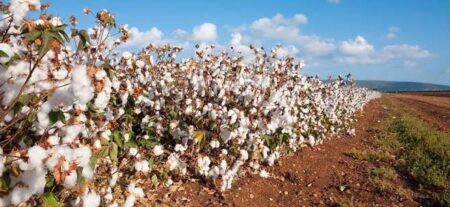
“The expansion of China’s zero-tariff regime could increase African agricultural exports, which will “help to elevate rural incomes, improve rural productivity, and ultimately to reduce hunger and poverty,” Johnston says.
Beijing’s move is certainly not sudden. As early as 2024, China had already granted a duty-free pass for some 33 African countries. Now that it has added the remaining 20 countries, China has every reason to blow it’s own trumpet as the first (and only) major economy to extend the unilateral zero-tariff offer to Africa.
The economic ‘literal’ implication of zero tariffs is increased trade, that is, with no tariffs to burden traders, Africa can increase amount and frequency of exports to China. However, “there is a high and growing trade imbalance in Sino-African trade,” the researcher cautions.
What this means is that Chinese exports to Africa exceed African exports to China by far. So, the question is, will the zero tariffs help to balance the trade scales? Yes, most probably, China’s zero tariffs will help close the trade imbalance gap but is that the goal? And if so, it must be acknowledged that there is a considerably long way to go.
Also Read: Africa could tap big gains from China’s zero-tariff deal
Will China zero tariffs bridge Africa’s trade deficit?
According to the China Africa Research Institute, as of last year, Africa’s trade deficit with China rose by an immense 65% to a whopping $102 billion. In it’s China–Africa bilateral trade review, the research institute points to a steady trade increase over the last two decades.
Last year, China-Africa trade grew by 17.7% to clock an impressive USD348 billion. On the flip side, Africa’s exports to China grew to well over USD 123 billion; and therein lies the trade deficit dilemma. While tariffs do indeed deter exports, but sector pundits divulge that they are rarely the main obstacle for African exporters looking to tap into the Chinese market.
The report underlines main factors that hinder Africa exports to China to include structural and capital finance constraints for African traders. That been said, the zero tariffs will be meaningful especially if African countries invest in increasing production, diversifying their exports, and adding value to their products, advices Amit Jain, a Singapore based Sino-African trade expert.
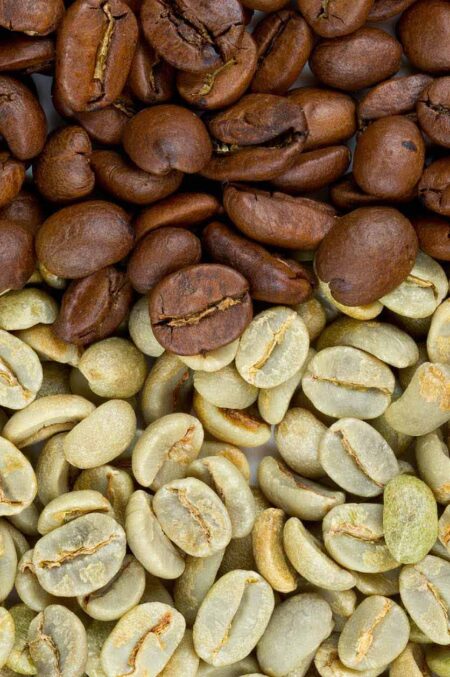
According to the expert, another factor that could drive African exports to China is the changing consumer demand in China. The change in demand could open up new markets for African exports to China; “For instance, Chinese consumers are buying far more coffee and nuts than they did 20 years ago,” Jain projects.
The researcher is of the view that the zero tariffs stand to improve African access to Chinese markets, and may, in the long run, close the trade deficit.
He cites the Kenyan avocado subsector, which he projects will benefit from the China zero tariffs regime. Other sub-sectors that stand to gain include production of macadamia nuts, coffee, tea and leather.
Reached for comments, Wangari Kebuchi, an Africa fiscal policy economist agrees that the China proposed zero tariffs will support foreign exchange earnings via agriculture, mining and logistics. However, she is of the view that medium and long-term fiscal gains will not materialise from market access alone, since the structural problem that limits Sino-African trade has not changed.
As such, she too underscores the need for value addition. The economist points out that if Africa continues to export raw materials and import manufactured goods, then the trade deficit will persist. “The asymmetry drives persistent trade deficits, constrains domestic revenue mobilisation, and limits the jobs and tax base that governments need to fund public services,” she warns.
“Zero tariffs on commodities that have already left our shores unprocessed do not solve that problem,” she goes on to caution.
The economist says export of raw materials, in light of zero tariffs could actually further entrench the trade deficit. That being the case, she is of the view that; “African governments must now ask the harder questions. How do we use improved market access as leverage for industrial policy?”
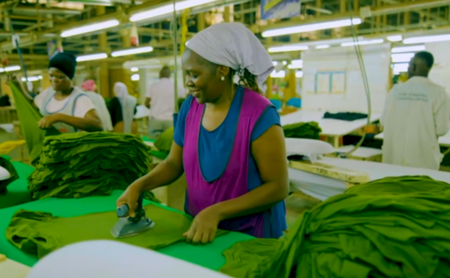
China zero tariffs for Africa will grow agro-businesses, value addition
Beyond the zero tariffs, China has also widened market access for African goods through ‘green channels’ among other things. Beijing has eased customs clearance for African goods and even actively supports African companies to participate in it’s trade growth events including the China International Import Expo (CIIE) and the China International Supply Chain Expo.
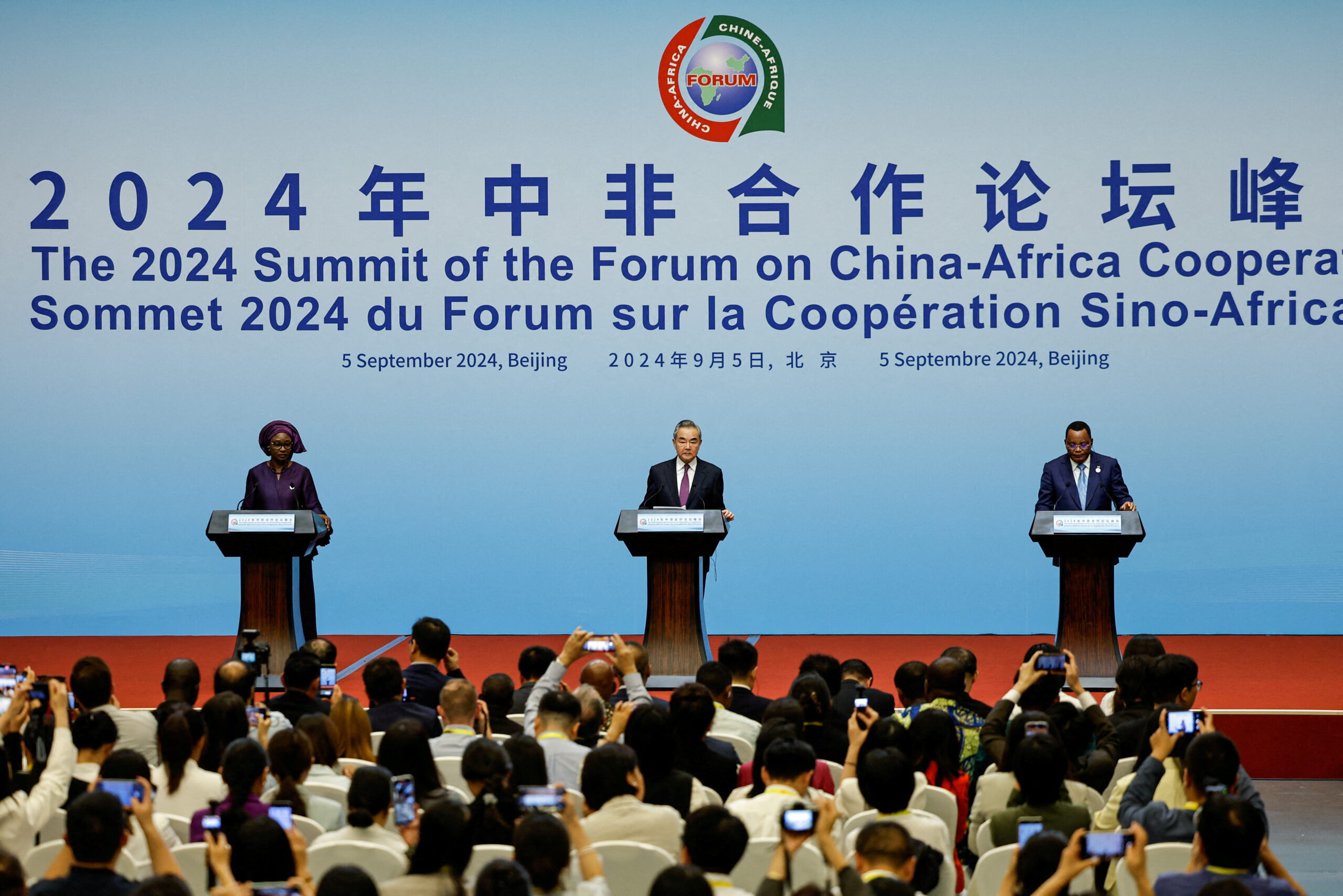
The zero tariffs further build on at least 10 other Sino-African partnership initiatives that were announced at the Beijing Summit of the Forum on China-Africa Cooperation (FOCAC) in September 2024.
Through these and other measures, China has increased market access for African specialty products not only to China but global markets in general.
In a BBC business review report in the wake of the China zero tariffs commencement, senior researcher from the South African Institute of International Affairs, Cobus van Staden said China’s zero-tariff policy will support market diversification for Africa.
The zero tariffs policy “will help exporters diversify their markets and could help African industrialization and modernization.”
From chilli pepper production in Rwanda to graphite processing in Mozambique, China is positioning itself as Africa’s main socio-economic development partner. With geopolitical changes rapidly taking place on the backdrop of tightening global trade protectionism, China is positioning itself as an open and inclusive economic growth partner for Africa.
This approach of shared economic development was articulated by China’s President Xi in his address to African leaders, he stated: “What we need is to remove barriers rather than erect walls, (and) open up rather than close off.”
His speech resonated with African leaders especially given Africa’s colonial and neo-neocolonial history; “We should make joint contributions for shared benefit, reject the winner-takes-all approach, and build an open world economy where developing countries are better involved in the international division of labor and share the fruits of economic globalization,” Xi reassured Africa.