
Trending
- 2026 is turning out as a defining year in geopolitics, but for whom?
- Bitcoin Surges 20%: How Crypto Holders Are Exploring Cloud Mining Income in 2026
- Saudi Arabia and Tanzania pledge to deepen bilateral trade ties
- Tanzania rewrites its digital investment playbook
- Ethical sourcing boosting demand for Tanzania organic cotton
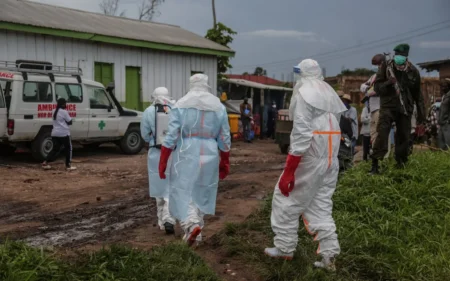
- DRC deploys 70,000 Ebola vaccine doses in high-stakes trial against deadly Bundibugyo strain
- Kenya’s private sector optimistic on growth despite inflation and geopolitical risks
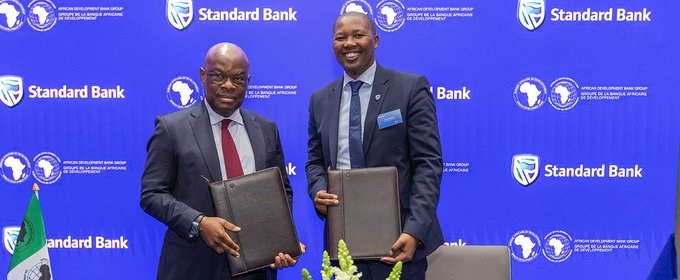
- AfDB and Standard Bank ink $332 million social bond deal to fund South African SMEs


Saudi Arabia commits to increased trade with Tanzania. Already the oil-rich nation has entered into an agreement to set up a meat processing plant…

Tanzania is rolling out new laws aimed at attracting investors…
Tanzania organic cotton gaining global market interest. Growing call for…
The New Tanzania Investment Act 2022 has now become law replacing the Tanzania Investment Act…
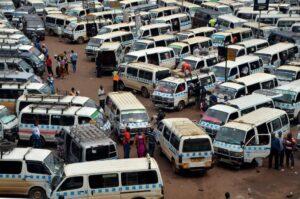
Uganda Bureau of Statistics has indicated that the country’s inflation has for the first time since 2012 hit double digits, rising to 10 per cent in September 2022 from 2.7 per cent in January 2022 and 4.9 per cent in April 2022.
It is said that inflation above an annual average of 5 per cent retards economic growth and derails economic development.
According to an article titled Uganda grapples with soaring inflation amid persistent global uncertainties, the rise in inflation has been brought about by issues such as tightening of global financial conditions, which triggered investors’ exit from the domestic debt market, thus stoking depreciation pressures on the Uganda Shilling; the Russia-Ukraine conflict, which disrupted global production and supply chains; extended drought in some regions of the country; and increased global commodity prices.
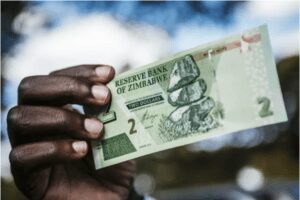
Zimbabwe’s decades old inflation has been worsened by the Russia-Ukraine war. Inflation in Zimbabwe remains one of the highest globally and the only country in Southern Africa with headline inflation above 50 per cent.
Prior to the war, rising inflation in Zimbabwe, low foreign direct investments, unsustainable foreign debt levels and corruption were among a plethora of problems plaguing Zimbabwe’s economy.
Zimbabwe’s economic problems started surfacing in 1997 when the regime of the late Robert Mugabe paid unbudgeted pensions to veterans of the country’s 1970s liberation war, leading to a currency collapse. The situation got worse in 1999 when Zimbabwe sent its troops to fight in Democratic Republic of Congo civil war that also drew armies from Uganda, Rwanda and Angola. A violent land reform programme that displaced nearly 5,000 commercial farmers, precipitating the crisis. Disputed elections and human rights violations led to the country’s economic isolation, which has taken a serious toll on the economy.
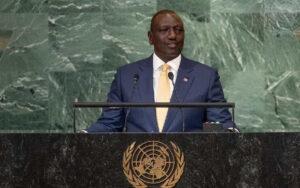
The new administration under President William Ruto, is striving to set the economy in the right tempo having inherited a heavily indebted government.
Through debt restructuring among other key economic reforms, Ruto’s administration is committed to quell inflation and create a thriving economy for all Kenyans.
The recently published East Africa Economic Outlook report, indicates that Kenya is among the countries in the region that could face rising risks of debt distress, thus widening fiscal and current account deficits, largely due to structural weaknesses exacerbated by the pandemic and the Russia-Ukraine war.
According to the 2022 African Economic Outlook (AEO), by AfDB inflation is projected to edge up to 7 per cent, close to the upper end of the target band at 7.5 per cent, caused by greater energy and food inflation. The Kenya National Bureau of Statistics (KNBS), reported that the country’s inflation rate as of October 2022 stood at 9.6%, creeping up 0.4% from September’s all time high of 9.2%.

Libya’s economy has been teetering on the edge of a precipice since the ousting and killing of Colonel Muammar Gaddafi in 2011, as part of the protests that marked the Arab Spring. Once a progressive economy now a war-torn country, a playground for foreign powers rushing to satisfy their own interests, has left ordinary Libyan citizens to bear the brunt of a cycle of conflicts and civil wars, stagnating economic growth for a decade. The conflict birthed an unmatched refugee crisis, with thousands crossing the Mediterranean to seek greener pastures in Europe. Today’s Libya remains in electoral limbo as the political stalemate persists. Prospects for elections fade daily.
The situation in the country remains extremely volatile, rife with political uncertainty as to when a national government will be formed, and the formulation of a constitution thereof. Both presidential and parliamentary elections, slated to be held this year have been postponed several times with no exact date set.
The country awash with violent non-state actors where different militia groups vie for political power are being backed by foreign entities in a bid to control the country’s oil and gas sector. As the first anniversary of the postponed elections draws nigh, there is no clear end in sight. The UN Special Representative Abdoulaye Bathily, warned against prolonging the interim period as Libya could become even more vulnerable to political, economic and security instability, as well as risk of partition.
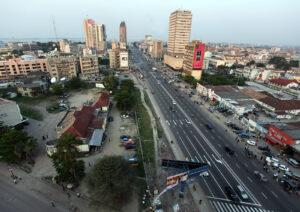
It is important to outline how the DRC stands to become a crucial investment hub in Africa. Foreign and domestic private entities reserve the right to establish business ventures across the nation and engage in all forms of remunerative operations, this is according to the US State Department as it outlines its engagement strategy with the country.
The DRC’s investment agency—the National Agency for Investment Promotion (ANAPI) provides essential facilitation services for initial investments over US$200,000 and is responsible for simplifying the investment process, make procedures more transparent, assist new foreign investors and improve the business image of the DRC—as the investment destination.
The DRC has potential sectors that are essential for investment and boosting the nation’s economic landscape for the betterment of the region. The sectors do not only create enough revenue to expand the welfare of the population, but create sustainable systems that creates millions of job opportunities.
Agriculture, banking, energy, housing, tourism, insurance, housing and real estate, forestry, transport and infrastructure. With an array of investment opportunities, it is important to notice how vast profits go when it comes to mutual benefits in all sectors.