Trending
- 2026 is turning out as a defining year in geopolitics, but for whom?
- Saudi Arabia and Tanzania pledge to deepen bilateral trade ties
- Tanzania rewrites its digital investment playbook
- Ethical sourcing boosting demand for Tanzania organic cotton
- DRC deploys 70,000 Ebola vaccine doses in high-stakes trial against deadly Bundibugyo strain
- Kenya’s private sector optimistic on growth despite inflation and geopolitical risks
- AfDB and Standard Bank ink $332 million social bond deal to fund South African SMEs
- Equity Group’s regional foray powers $351M H1 profit as Kenyan unit cedes dominance



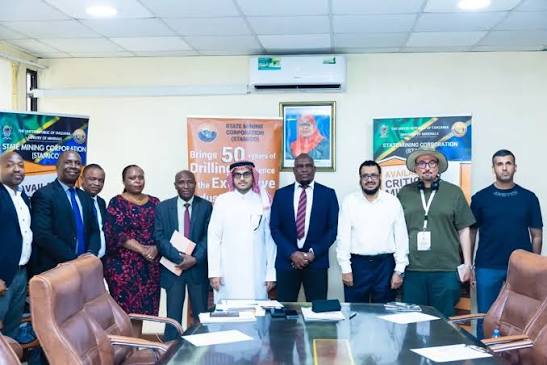
Saudi Arabia commits to increased trade with Tanzania. Already the oil-rich nation has entered into an agreement to set up a meat processing plant…

Tanzania is rolling out new laws aimed at attracting investors…
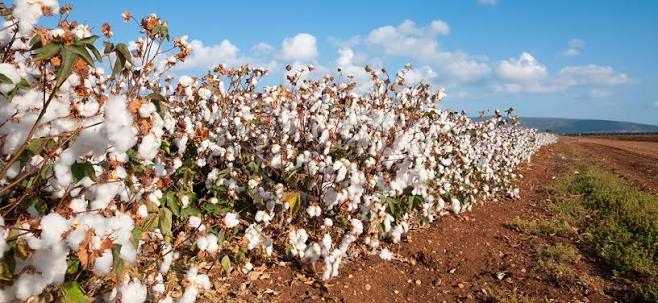
Tanzania organic cotton gaining global market interest. Growing call for…




In terms of the fiscus, South Africa expects to run a deficit of -4.1 per cent in 2023, however, the deficit is expected to narrow for the next 3 years closing 2026 at -3.6 per cent. This demonstrates significant fiscal consolidation.
Over the next 3 years the South African government expects to consolidate its public finances and reduce its deficit by inter alia increasing revenues and or managing or containing costs. According to Investec, “The current fiscal year (2022/23) has seen a substantial boost to nominal (actual) GDP due to high inflation, which has eased both the fiscal debt and deficit projections as a per cent of GDP, although does not boost real GDP, which is the measure of the country’s growth and has the distorting effect of inflation removed.”
Among countries in Africa, South Africa is getting its public financial act together. The country is paying down its debts, inflation has been showing a strong downward trajectory. What remains to be seen is whether this decreasing inflation rate will continue.

Undoubtedly, the return to peace after two years has restored hope Ethiopia’s economy can regain its growth momentum. According to officials, a permanent return to peace will help unlock more than $4bn in frozen funding. The funds will ease a crippling shortage of foreign exchange that plagued the economy even before the war began. Agriculture, the primary sector driving Ethiopia’s economy, should provide the much-needed boost to economic recovery.

Namibia has made progress on structural changes to foster economic diversification and boost productivity. Improving the business environment, promoting access to capital, improving governance, and decreasing skills mismatches are crucial for stimulating growth and achieving long-term debt sustainability.

Sierra Leone’s government may have to impose severe austerity measures. These measures will address inefficiencies and inadequacies in allocating and administrating public resources. However, all hands must be on deck within these economic management measures. This will secure the ring-fencing of money for essential objectives like education, livelihood preservation, and health. These objectives remain critical to maintaining social stability and a rapid return to the economic recovery path.
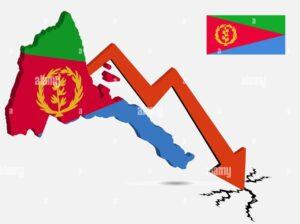
Eritrea’s debt stands at 175 per cent of its GDP. This is very high for…
The reason farmers are forced to buy seeds is that projects like AGRA take away traditional organic seeds by giving subsidized GMO seeds, which cannot be replanted hence after harvest, the farmers must buy new batches of seeds to replant the next season.
In effect, forcing the farmers to rely on new purchases of seeds every year means the peasants are unwittingly caught in a cycle of dependency and poverty, for that matter.
Worse still, projects like AGRA that claims to introduce ‘modern agriculture technologies’ focus on using chemical-based fertilizers and pesticides and also push for monoculture, which locks the farmers in the dependency cycle; they have to buy more fertilizers to keep their lands productive, and they have to buy the same pesticides because of monoculture.
It is for such reasons that last year, AFSA released an open letter with over 200 signatories alleging that AGRA did not increase the productivity or incomes of farmers nor did it reduce food insecurity.