
Trending
- 2026 is turning out as a defining year in geopolitics, but for whom?
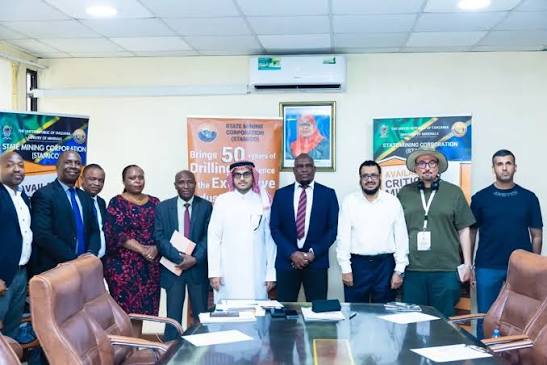
- Saudi Arabia and Tanzania pledge to deepen bilateral trade ties
- Tanzania rewrites its digital investment playbook
- Ethical sourcing boosting demand for Tanzania organic cotton
- DRC deploys 70,000 Ebola vaccine doses in high-stakes trial against deadly Bundibugyo strain
- Kenya’s private sector optimistic on growth despite inflation and geopolitical risks
- AfDB and Standard Bank ink $332 million social bond deal to fund South African SMEs
- Equity Group’s regional foray powers $351M H1 profit as Kenyan unit cedes dominance



Saudi Arabia commits to increased trade with Tanzania. Already the oil-rich nation has entered into an agreement to set up a meat processing plant…

Tanzania is rolling out new laws aimed at attracting investors…
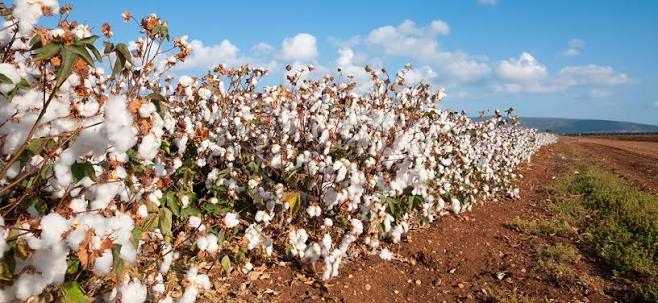
Tanzania organic cotton gaining global market interest. Growing call for…



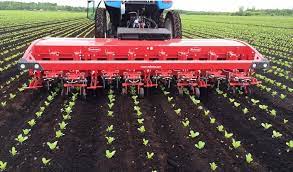
There is a shift, a change in the nature and composition of Tanzania’s workforce from labour-intensive to skilled labour. This shift is well received as the report authors describe it as ‘a good sign of economic transformation’ it is a sign Tanzania mechanisation.
The report authors contend that the fact that the proportion of labour employed in agriculture has decreased while that in other sectors, notably manufacturing and services, has increased, then it is a clear sign of an industrializing nation.
Agriculture mechanization in Tanzania is also evident in the fact that even though employment in the sector is decreasing, but the sector’s overall performance is actually increasing.
According to Tanzania’s Commissioner of Financial Sector Development, Dr Charles Mwamwaja, between 2015 and 2019, the agriculture sector grew at an average of 5.2 per cent, while the subsector of agricultural products continued growing at an average of 5.8 per cent.
In 2020, the Center for Food Safety (CFS) in the US won a major legal battle against just such herbicides and pesticides right along with GMO crops.
The win did not come easy. It was the result of years of litigation against Monsanto’s toxic pesticide, in this case, called dicamba, before a federal court issued the ruling. The win was a double-edged sword in that it banned the pesticide and it also banned the use of GMO crops that were designed to withstand the effects of the said pesticide.
In the ruling, the US Ninth Circuit Court of Appeals ordered that EPA’s approval of the pesticide in question be revoked with immediate effect and application also stopped. The reason farmers took the GMOs and the related pesticides to court in the first place is the same reason the South African activists are decrying the sale of the weed killer there; it simply is not safe for humans, animals and crops as well.
Factors for the low adoption rate surround the lack of sector information. For example, the researchers point out that there is ‘uncertainty among potential adopters with respect to potential gains vis-à-vis the cost of adoption.’
Other factors include the cost of adoption and use of modern agriculture technology and lack of adequate knowledge on how to use modern agriculture technology when it is available.
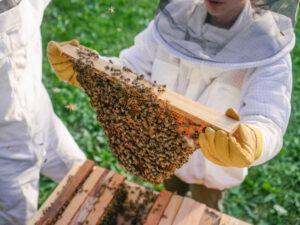
Introduction of modern agriculture technologies in beekeeping is expected to enhance efficiency along with beekeepers’ earnings and welfare in Tanzania. This is because about 99%, beekeeping in Tanzania is done by small scale beekeepers who use traditional beehives made of logs, barks and guards.
Even the harvesting process is very rudiment using fire and smoke to keep bees away, a hazardous trade especially considering that most traditional beehives are kept high on trees.

Xi Jinping has elevated the China-Africa friendship to its most significant level since Mao Zedong’s reign. With Xi getting a third five-year term and perhaps staying in power even longer, those relations will strengthen further. Thus, Africa will remain pivotal in China’s plans for global economic control.

According to the 2022 National Tourism Survey, tourism earnings in Tanzania have shown positive comeback post Covid-19.
The figures indicate a good recovery trajectory with data showing that the sector is up 83% having earned an impressive 1.4 billion USD and tourist receipts of 922,692 which represents an increase of about 48.6% compared to the 2020 performance.
According to the Tanzania National Five Year Development Plan 2021/2022-2025/2026, the country targets to attract 5 million tourists and garner revenues of US$ 6 billion.
The tourism sector contributes to the country’s GDP by an impressive 17%, and its contribution to foreign exchange earnings is more than a quarter (25 percent) of the country’s total foreign exchange earnings.

Gold producers and investors are happy after the mighty dollar having taken a dip owing…