
Trending
- African trade is growing despite the obstacles
- Why global capital is betting big on Africa’s digital promise
- Kenya posts stronger-than-expected Q1 growth at 5.3% on manufacturing rebound, tourism boom
- China’s new investment rules are about guardrails, not closed doors
- Zanzibar optimistic economic growth will hit 7.5% on tourism boom
- Kenya defies economic shocks to post record $22 billion in tax collections
- Forget South Africa: East Africa now rules in banking industry returns
- Lamu over Tanga: The commercial calculus that cost Tanzania $20bn refinery



Zanzibar legislators project 7.5% economic growth. President Mwinyi advocates private sector participation. Zanzibar recent talks with Brazil, US expected to bare fruits. Zanzibar has…
KRA reports record KES2.84 trillion (up 10.6%) in tax collections,…

UAE has cemented its spot as the main refining, and…


While ties with Zanzibar and mainland Tanzania are growing with the recent signing of agreements to end double taxation, among other deals, authorities in the United Arab Emirates (UAE) recently announced a Dubai visa ban on 20 African countries.
They include Uganda, Rwanda, Ghana, Sierra Leone, Sudan, Cameroon, Nigeria, Liberia, Burundi, Republic of Guinea, Gambia, Togo, Democratic Republic of Congo, Senegal, Benin, Ivory Coast, Congo, Burkina Faso, Guinea Bissau, Comoros and the Dominican Republic.
“Any applications from the above-mentioned countries will be sent back or cancelled,” the UAE authorities warned trade partner authorities along with travel agents, urging them to reject all related applications.
The reason given for the ban is increased visa term violations by persons from the said countries. The UAE authorities explained that persons from these countries are using 30-day visas to Dubai to stay and work in the country illegally.
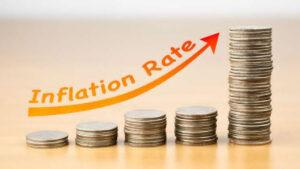
Some worry that monetary policy is still excessively accommodating, given that rate hikes have not matched inflation. Policy cooperation may be beneficial. Fiscal consolidation and a mix of rate rises and currency depreciation may play a role in nations where policy is overly permissive.
The shaky recovery in Sub-Saharan Africa, coupled with domestic demand constraints, has not significantly fueled inflation so far. However, in the coming months, governments and policymakers must carefully monitor and prioritise tackling the rising inflation in Africa.

Before it infects humans, Ebola ‘is introduced into the human population through close contact with the blood, secretions, organs or other bodily fluids of infected animals such as fruit bats, chimpanzees, gorillas, monkeys, forest antelope or porcupines found ill or dead or in the rain forest.
Notice the list of animals, these are very common not only in an African forest but any bushes or shrubs in any human settlement (across the world). Again, while scientists explain the epistemology of the disease, they fail to explain why after centuries of safe contact, now these animals are infecting humans.
What scientists do know is ‘Ebola then spreads through human-to-human transmission via direct contact (through broken skin or mucous membranes) with blood or body fluids of a person who is sick with or has died from Ebola.’

Zero Malaria: Through the President’s Malaria Initiative (PMI), Zanzibar plans to end malaria prevalence by…
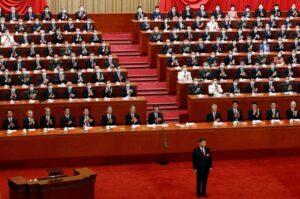
The signal coming from the CCP congress is that the world should not expect a change in policy against Covid anytime soon despite its important ramifications for the global economy. On the domestic front, the economy of China has not been doing well. Ever since its economy started to slow down, unemployment has been on the uptick, with at least 20% of young people in China said to be unemployed.
China is also in the throes of a housing crisis, with several large property developers on the brink of financial ruin and or bankruptcy. The case of the Evergrande Group is the most prominent. The property company rose to prominence by developing massive housing projects fueled by the availability of cheap credit from the government first and from private lenders.
The urbanization of China through the migration of citizens to urban areas drove demand for apartments. Developers eager to satisfy this seemingly unending demand decided to borrow the money to build skyscrapers.
The music for the property developers stopped when there was a slowdown in the number of people migrating to urban areas. This affected their revenues to the extent that they began to default on their loans en masse. The problems in the housing markets became systemic in the sense that the credit used to finance the development of housing had come from overseas investors and lenders.
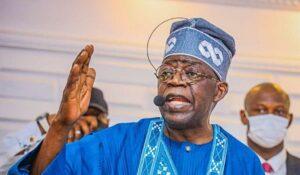
Nigerian presidential contenders must confront persistent insecurity, chronic unemployment, and a deteriorating economic outlook. Bola Tinubu outlined his vision before the Nigeria elections in 2023 in an 80-page paper released by President Muhammadu Buhari at a lavish ceremony on October 21, 2022.