
Trending
- African trade is growing despite the obstacles
- Why global capital is betting big on Africa’s digital promise
- Kenya posts stronger-than-expected Q1 growth at 5.3% on manufacturing rebound, tourism boom
- China’s new investment rules are about guardrails, not closed doors
- Zanzibar optimistic economic growth will hit 7.5% on tourism boom
- Kenya defies economic shocks to post record $22 billion in tax collections
- Forget South Africa: East Africa now rules in banking industry returns
- Lamu over Tanga: The commercial calculus that cost Tanzania $20bn refinery


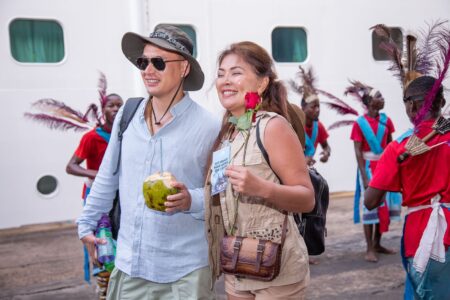
Zanzibar legislators project 7.5% economic growth. President Mwinyi advocates private sector participation. Zanzibar recent talks with Brazil, US expected to bare fruits. Zanzibar has…
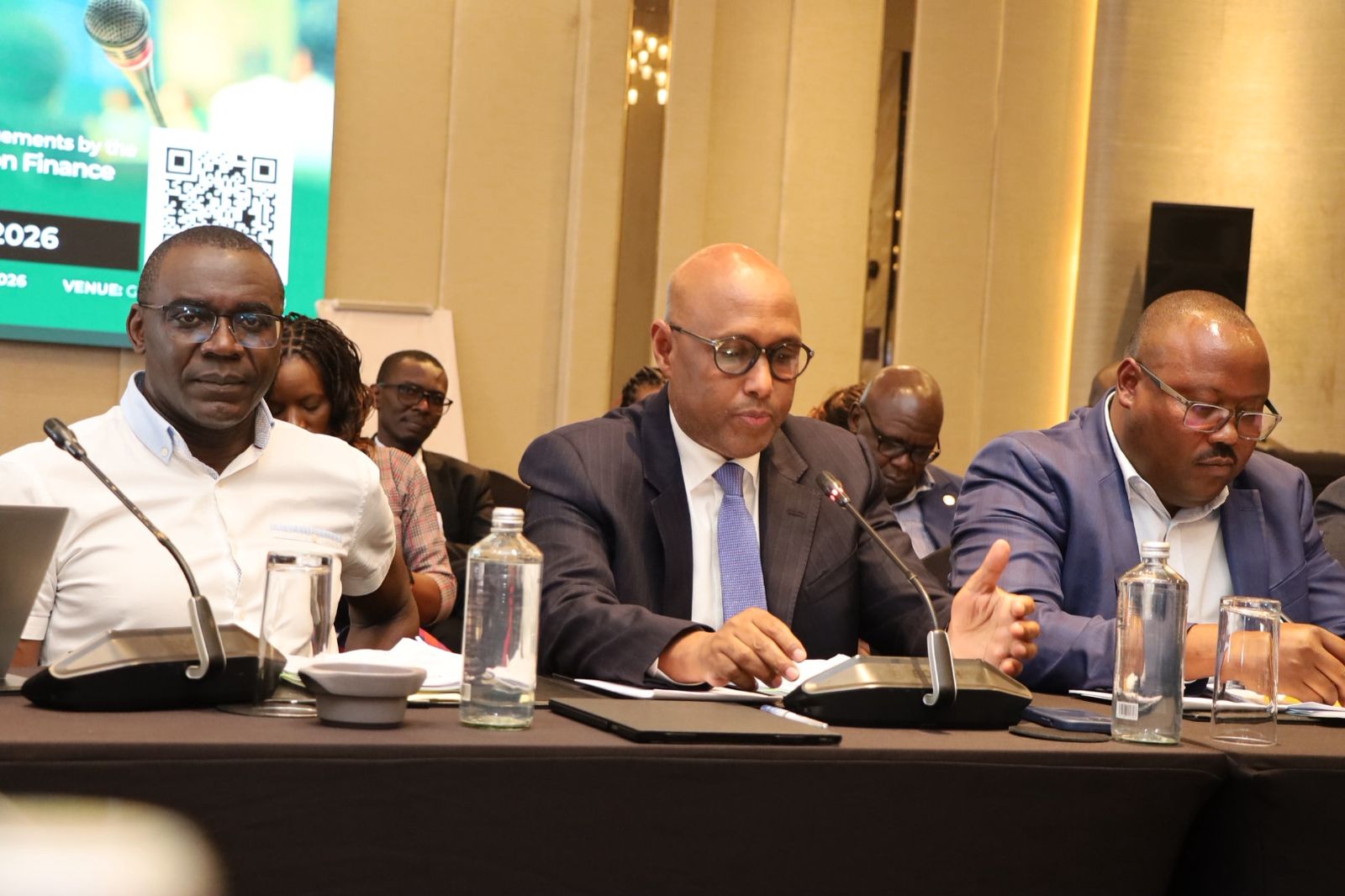
KRA reports record KES2.84 trillion (up 10.6%) in tax collections,…

UAE has cemented its spot as the main refining, and…

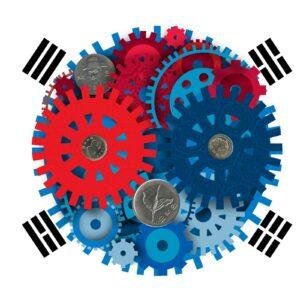
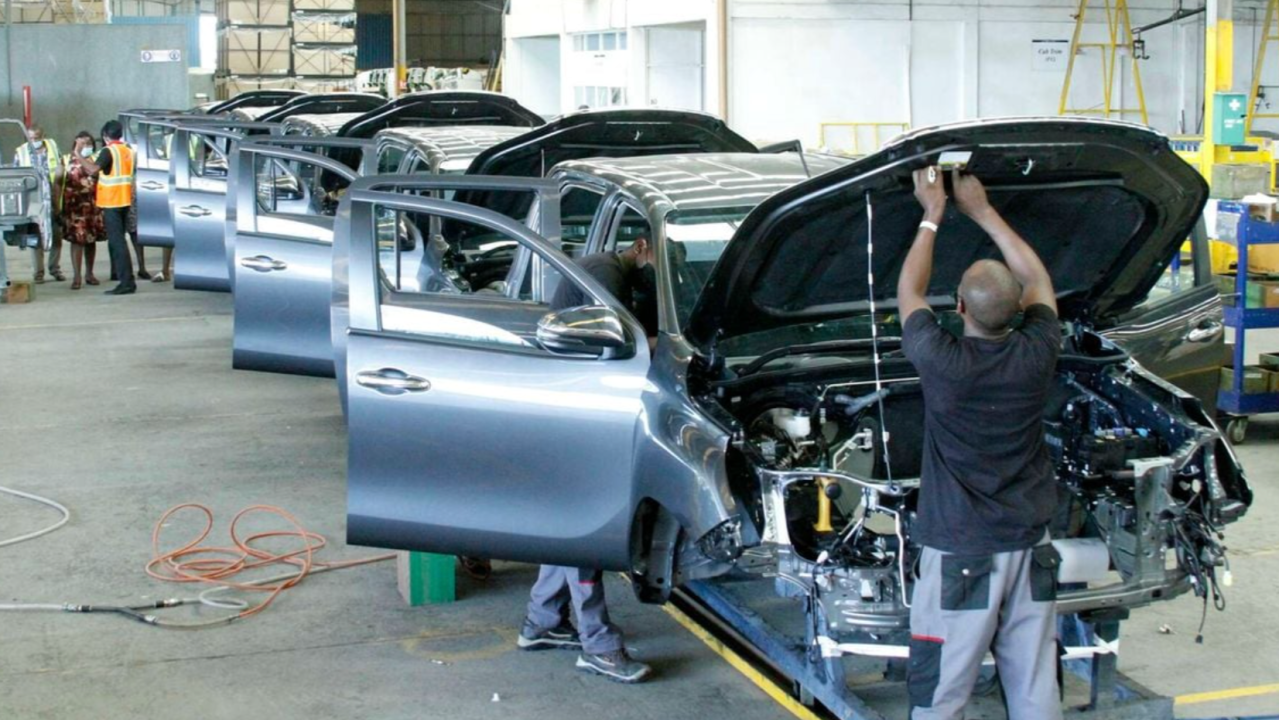
South Korean industry began with the production of textiles and footwear and then moved into heavy industries like steel, heavy equipment, ships, petrochemicals, electronics, and automobiles by the 1980s.
Africa needs to follow the economic lead of countries like South Korea that developed into advanced states through export-led economic growth and the development of strong domestic economies. South Korea committed to rapid industrialization. This is what caused the economy to take off. However, it is important to note that economic development was also set in motion by leaders who implemented land reform and educational development.
Oxford Research notes, “Industrialization was characterized by a close pattern of cooperation between the state and large family-owned conglomerates known as chaebǒls. This close relationship continued after the transition to democracy in the late 1980s and 1990s but after 1987, labour emerged as a major political force, and rising wages gave further impetus to the development of the more capital-intensive industry.”

According to the World Bank, skilled workers enhance the quality and efficiency of product development, production, and maintenance and supervise and train workers with lesser skills. As a matter of fact, countries with well-established TVET systems tend to enjoy lower youth unemployment.
This is because the orientation of TVET coupled with the acquisition of employability skills allows it to address issues such as skills mismatch that has impeded smooth school-to-work transitions for many young people. Lower youth unemployment is key to improving lives and building stronger communities necessary for growth.
There is no doubt that Kenya, Tanzania and Rwanda are leading their East African counterparts in promoting technical skills training in their respective countries.
Some have wondered whether Obi will manage to upset the status quo that has defined Nigerian politics since 1999. However, great support for Obi has been borne of the young generation’s apparent frustration with Nigeria’s political class.
More specific, many people view the presidential candidates from the two major political parties, APC and PDP, as representatives of status quo politics that have left Nigeria on the brink of economic shutdown.
In the run-up to Nigeria’s presidential elections in 2023, the electorate confronts the challenges of soaring inflation, a plummeting currency, and prevalent insecurity. Crude oil, Nigeria’s economic backbone, has seen its production slump to multi-decade lows. Moreover, the government has seen its debt service exceed the earned revenue in the first quarter of 2022.
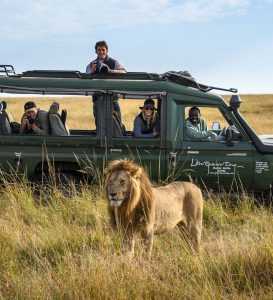
East Africa has made huge strides in improving the tourism sector in the bloc. So far, three countries have embraced the Single Tourist visa making it easier for the bloc to market it as a single destination as well as allowing tourists access to all three countries from one visa.
The single tourist visa was introduced in 2014 as a pilot between Kenya, Uganda, and Rwanda. Under the initiative, tourists can choose between a single-country visa or an EAC tourist visa. With the latter, they are allowed to move freely between the three countries for a period of up to 90 days.
In October 2020, the East African Legislative Assembly (EALA) released a report citing the tourism situation in the region.
The EALA noted that certain overriding challenges, including sector underfunding, insecurity, and lack of harmonized policies and laws, need to be speedily addressed to ensure that the sector thrives.
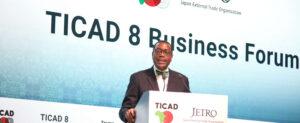
GuarantCo is one of the six partners that make up the Africa Co-Guarantee Platform. Others are the African Development Bank, African Trade Insurance Agency (ATI), African Union Development Agency (AUDA-NEPAD), GuarantCo (part of PIDG, the Private Infrastructure Development Group), the Islamic Corporation for the Insurance of Investment and Export Credit Insurance (ICIEC), and Afreximbank.
Speaking recently at the Platform’s Steering Committee Meeting, Afreximbank’s Director of Guarantees and Specialized Finance Kofi Asumadu-Addo, said, “…this is a critical moment, and the CGP is needed more than ever.”
He went on to point out that the Covid-19 pandemic, and the Ukraine crisis have resulted in macroeconomic challenges that require urgent action and it is only by working with large organs like the AfDB that action can be taken.
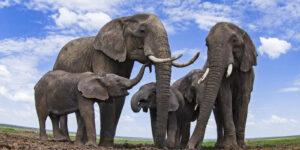
On behalf of Tanzania’s Minister for Tourism and Natural Resources, Director of Wildlife Division, Dr Maurus Msuha said; “The project is key especially in our changing environment as many of our wildlife movement corridors are increasingly becoming fragmented to reduce encroachment and conflicts.”
The project will extend across five years to restore destroyed wildlife corridors along with supporting the surrounding communities. As such, the majority of the funding will go into strengthening the institutional capacity of key players from both the public and the private sectors.
“Although we cannot reverse previous damage to wildlife and natural resources, moving forward, USAID Tuhifadhi Maliasili will foster sustainable management at the community and national level,” Dr Masuha told stakeholders.
The project will engage and empower women and youth groups at both local and national levels. It is only through such communal engagement that the project can be sustained. A key part here is conducting awareness campaigns on the importance and relevance of ecosystem protection and environmental conservation.