

Trending
- African trade is growing despite the obstacles
- Why global capital is betting big on Africa’s digital promise
- Kenya posts stronger-than-expected Q1 growth at 5.3% on manufacturing rebound, tourism boom
- China’s new investment rules are about guardrails, not closed doors
- Zanzibar optimistic economic growth will hit 7.5% on tourism boom
- Kenya defies economic shocks to post record $22 billion in tax collections
- Forget South Africa: East Africa now rules in banking industry returns
- Lamu over Tanga: The commercial calculus that cost Tanzania $20bn refinery



Zanzibar legislators project 7.5% economic growth. President Mwinyi advocates private sector participation. Zanzibar recent talks with Brazil, US expected to bare fruits. Zanzibar has…
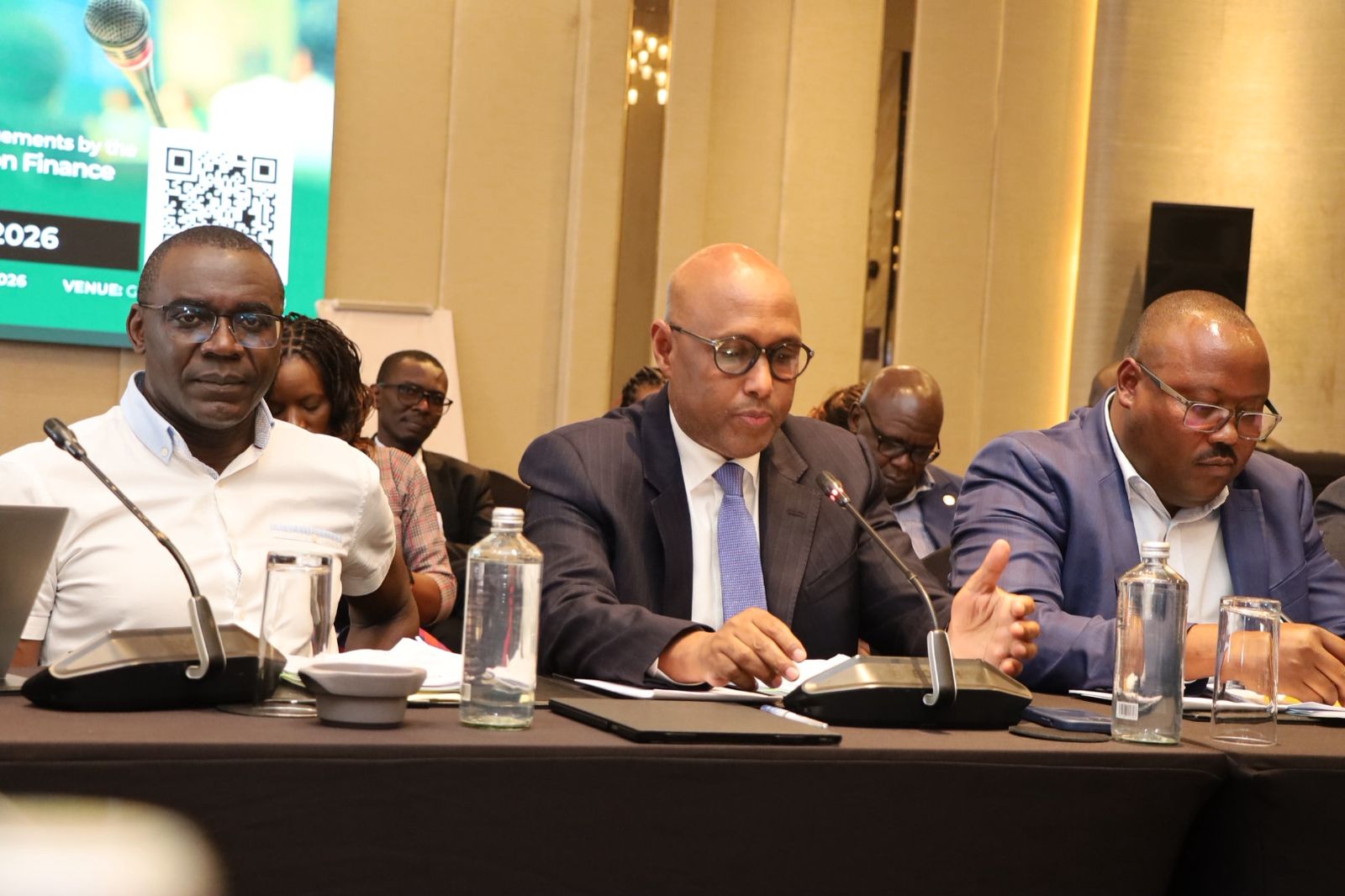
KRA reports record KES2.84 trillion (up 10.6%) in tax collections,…

UAE has cemented its spot as the main refining, and…
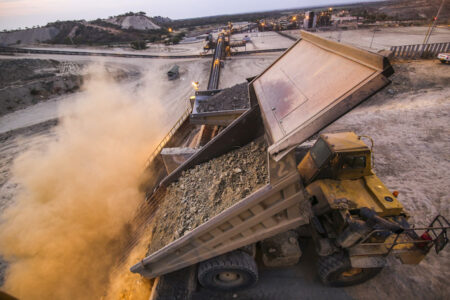



Africans and African diaspora across the world commemorated Africa Day on May 25, 2022. The…
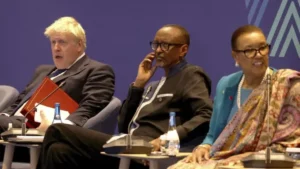
Commonwealth along racial lines, but the body managed to forge a compromise at its Nigeria summit, appointing a seven-nation panel to monitor Zimbabwe’s progress towards improved democratic values.
President Emmerson Mnangagwa’s government applied on May 15, 2018, to re-join the grouping, a year after toppling Mugabe through a military coup.
According to an article by the Independent dated June 17, 2022, Scotland subsequently deployed a Commonwealth team led by Ghana’s former president John Dramani Mahama to observe Zimbabwe’s 2018 elections.
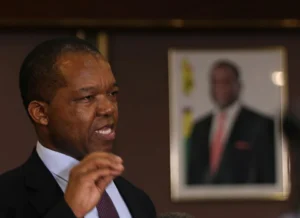
Zimbabwe’s Central Bank said the increase in its policy rate to 200 per cent from 80 per cent will take effect from July 1 after annual inflation hit almost 192 per cent this month.
The benchmark interest rate was last raised to 80 per cent in April from a previous 60 per cent.
“The committee noted that the increase in inflation was undermining consumer demand and confidence and that, if not controlled, it would reverse the significant economic gains achieved over the past two years,” central bank governor Dr. John Mangudya said.
The latest figures from the Zimbabwe National Statistics Agency (ZIMSTATS) showed Saturday that the country’s annual inflation rate reached 191 per cent in June. A new blow to the purchasing power of Zimbabweans, stoking fears of a return to the 2008 hyperinflation period where savings were wiped out.
According to an article by the Herald published on June 27, 2022, popular bullion coins include the American eagle, the Canadian Maple Leaf, the South African Krugerrand, the Isle of Man Gold Cat, the Australian Kangaroo, and the China Mint Panda Bear. They added that gold is a haven against inflation and a gold coin is made mostly of gold while most gold bullion coins are pure gold.
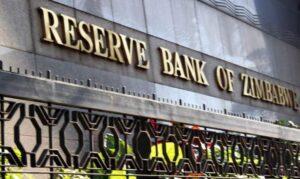
Meanwhile, in an article dated May 27, 2022, Bloomberg described the RBZ as the world’s most aggressive central bank. According to an article by Pindula News published on June 27, 2022, Zimbabwe’s former Finance and Economic Development Minister, Tendai Biti, said the Reserve Bank of Zimbabwe (RBZ) has outlived its usefulness and, therefore, should be abolished.
He made the remarks in response to a cocktail of measures introduced by the government to stabilize the economy. The main duty of the RBZ is to present monetary policies with primary objectives that address the management of inflation or unemployment, and the maintenance of currency exchange rates.

Democratic Republic of Congo will host a major investment summit 27-29 June in Kinshasa Favourable…
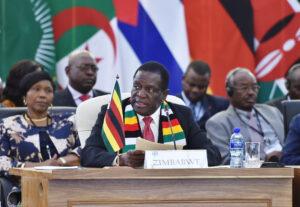
The movement of exchange rates on the parallel market has been caused by the government itself. Firstly, the government introduced a currency that economic agents have no confidence in because it did not have the macroeconomic fundamentals to give it credence. There was no parallel market for foreign currency during the years that the country made use of a basket of currencies.
The parallel market only emerged when the government introduced a surrogate currency called the bond note which was said to be at par with the United States dollar. No sooner than the surrogate currency had been introduced that the parallel market emerged, and United States dollars started trading at a premium.
Secondly, the government reportedly purchases foreign exchange on the parallel market. Through the central bank, the government issues new currency and then purchases foreign currency on the parallel market and drives up the exchange rate. It has been documented and widely reported that this is taking place on a grand scale, that the central bank is creating money supply and using it to purchase foreign exchange.