Trending
- African trade is growing despite the obstacles
- Why global capital is betting big on Africa’s digital promise
- Kenya posts stronger-than-expected Q1 growth at 5.3% on manufacturing rebound, tourism boom
- China’s new investment rules are about guardrails, not closed doors
- Zanzibar optimistic economic growth will hit 7.5% on tourism boom
- Kenya defies economic shocks to post record $22 billion in tax collections
- Forget South Africa: East Africa now rules in banking industry returns
- Lamu over Tanga: The commercial calculus that cost Tanzania $20bn refinery



Zanzibar legislators project 7.5% economic growth. President Mwinyi advocates private sector participation. Zanzibar recent talks with Brazil, US expected to bare fruits. Zanzibar has…

KRA reports record KES2.84 trillion (up 10.6%) in tax collections,…

UAE has cemented its spot as the main refining, and…

The late President Mwai Kibaki championed the realization and objectives of the East African Community common market of trade liberalization for the citizens of the partner states in EAC. Currently, the EAC has grown to seven member states, significantly disrupting the trade balances in Africa.
President Mwai Kibaki’s administration conceptualized and spearheaded free primary education, infrastructure development in transport and energy, and fought for availability and access to healthcare in the country.
He introduced the Constituency development fund program (CDF) that has, over the years, funded education, health and water installation in all parts of the East African country.

Livestock farmers in Kenya’s arid and semi-arid lands (ASALs) will receive training and financing from…
Zimbabwe Stock Exchange profiles the Agriculture and Exchange Traded Fund indices introduced on April 1,…

Oppo has announced plans of unveiling the newest addition to its Reno series, the OPPO…
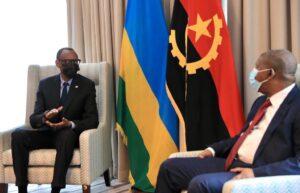
Rwandan Nationals travelling to Angola will not be required to have visas after the two…

Prices of essential and non-essential commodities will increase as fuel and gas prices skyrocket due to dwindling supplies. Air and marine freight prices have increased significantly. As a result, customers should brace for price increases caused not by the government’s actions but by direct and indirect conflict repercussions.
Numerous businesses have been forced to reduce or halt output due to the economic crisis. Zimbabwe is in danger of exhausting what remains of its productive capability unless drastic measures are taken to pique the interest of foreign investors.
Russia is the world’s second-largest supplier of petroleum products. Now that they are embroiled in a conflict with Ukraine, they cannot supply numerous markets, resulting in supply limits. When supply falls far behind demand, prices tend to rise, which is our situation.