
Trending
- African trade is growing despite the obstacles
- Why global capital is betting big on Africa’s digital promise
- Kenya posts stronger-than-expected Q1 growth at 5.3% on manufacturing rebound, tourism boom
- China’s new investment rules are about guardrails, not closed doors
- Zanzibar optimistic economic growth will hit 7.5% on tourism boom
- Kenya defies economic shocks to post record $22 billion in tax collections
- Forget South Africa: East Africa now rules in banking industry returns
- Lamu over Tanga: The commercial calculus that cost Tanzania $20bn refinery


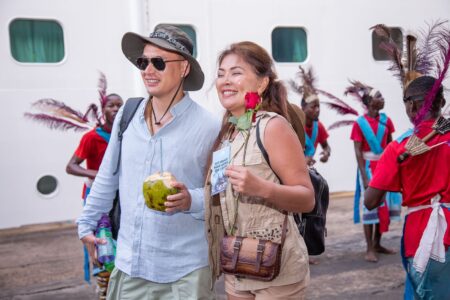
Zanzibar legislators project 7.5% economic growth. President Mwinyi advocates private sector participation. Zanzibar recent talks with Brazil, US expected to bare fruits. Zanzibar has…
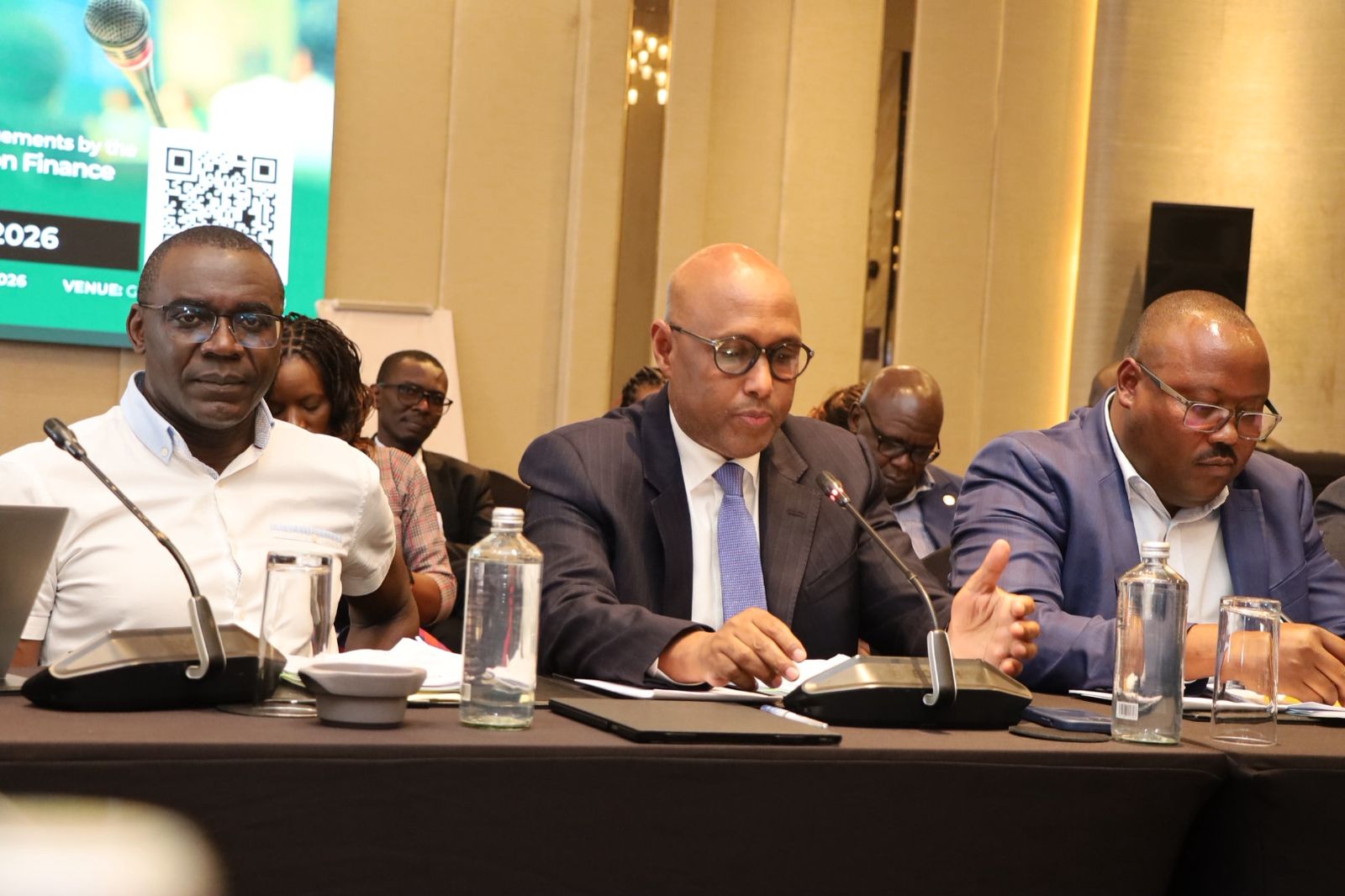
KRA reports record KES2.84 trillion (up 10.6%) in tax collections,…

UAE has cemented its spot as the main refining, and…
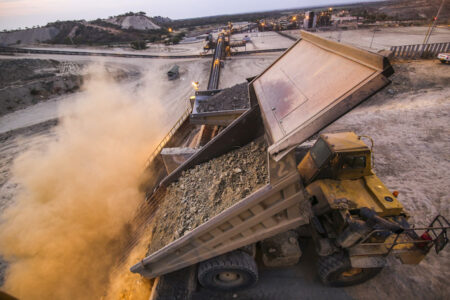

Once again, Heijin was at the centre of another dispute. This time around, it was displacing more villagers in Murehwa. Murehwa is a village in Mashonaland East province.
This time around, it affected up to 100 families. As with the example above, the company received a special mining grant to mine black granite in the area. The mining claim sits on a densely populated place covering between 200 & 300 hectares.
Due to the presence of granite in the area, Chinese companies are laying siege on the province. All this to get their hands on the rare and lucrative stone. Heijin’s newest intrusion follows another bloody battle between Mutoko and Shanghai Haoying Mining Investments villagers.
They have claims to mine black granite, which was. At the same time, Shanghai Haoying has compensated households who would lose their home due to mining activities. The Chinecompany’sy’s plans to establish operations in the area have met fierce opposition from angry locals.
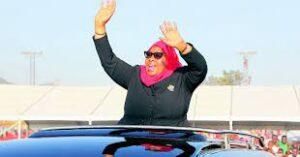
While in France, President Samia attended the One Ocean Summit in Brest. The three-day summit discusses ocean safety and actions against the threats to the ocean. Among other things, initiatives launched at the summit aim to protect the marine ecosystem and develop sustainable fisheries.
The initiatives seek to fight pollution particularly from plastics as well as to respond to the impacts of climate change and to advocate for improved governance of oceans.
This State Visit follows last year’s visit to Tanzania by French Minister for Foreign Trade and Economic Attractiveness, Franck Riester, who visited the East African economic hub in October 2021.
If you received your salary on the 1st of January in ZWL, you would struggle to pay for goods and services in February. This volatile situation results in consumers seeing value eroded from their bank balances at an astonishing rate.
We see wages struggle to keep up with inflation, a phenomenon similar to 2008. Most people buy USD from the black market to retain some semblance of value in these balances.
Zimbabwe has a currency crisis, and the Authorities seem to be struggling to deal with it. The rate at which the Zimbabwe dollar is depreciating signifies the state of the economy. Much of this is being blamed on the countries foreign currency auction system.
Traders have been calling for more staff to be posted at the Agriculture Food Authority (AFA) of Kenya to facilitate the approval of applications of maise import from Tanzania to Kenya. Additionally, the traders requested joint testing of aflatoxin to be undertaken in Arusha to reduce the number of rejections at the border.
Peter Musiba explained that the Tanzania Bureau of Standards (TBS) is tackling aflatoxin and has set outstations for testing in Dodoma, Singida and Shinyanga to facilitate the trade of cereals.
Paloma Fernanda, the Chief Executive of Cereals Millers Association, urged for a joint campaign on combating aflatoxin from as early as farm and post-harvest losses in the EAC region.
The Vienna World Conference on Human Rights in 1993 was forced to address women’s rights as a human rights issues because of the violence and sexual abuse against women occurring in Yugoslavia at the time.
The Fourth International Women’s Conference was held in Beijing in 1995 made human rights and women’s participation in decision making at all levels key. One of the recommendations was for the countries to have gender desks in the Ministries, Departments and Agencies including Security Services. It cautioned against the specific establishment of Women’s Ministries as these would take gender issues to the periphery as that ministry would be saddled with all matters gender-related.
The conference also discussed the eradication of poverty, women in armed conflict and violence against women.
According to the 2022 Annual report released by Brand Finance Banking 500, the brand value…