
Trending
- African trade is growing despite the obstacles
- Why global capital is betting big on Africa’s digital promise
- Kenya posts stronger-than-expected Q1 growth at 5.3% on manufacturing rebound, tourism boom
- China’s new investment rules are about guardrails, not closed doors
- Zanzibar optimistic economic growth will hit 7.5% on tourism boom
- Kenya defies economic shocks to post record $22 billion in tax collections
- Forget South Africa: East Africa now rules in banking industry returns
- Lamu over Tanga: The commercial calculus that cost Tanzania $20bn refinery



Zanzibar legislators project 7.5% economic growth. President Mwinyi advocates private sector participation. Zanzibar recent talks with Brazil, US expected to bare fruits. Zanzibar has…

KRA reports record KES2.84 trillion (up 10.6%) in tax collections,…

UAE has cemented its spot as the main refining, and…
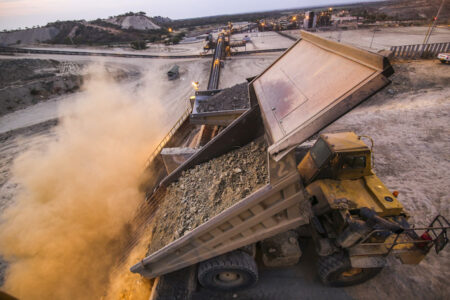


According to the Business Wire report of 2021, South Africa generates up to 108 million tonnes of annual waste, about 90 per cent of this which ends up in landfills. The problem is that landfills are projected to be full in a few years to come.
The national waste management strategy gazette by the government in 2020 gives a clear direction on how to acquire raw products for metal products and how to even trade the final products.
The producer’s responsibility scheme hold the manufacturers responsible for their products and packaging to the end of their life cycle.
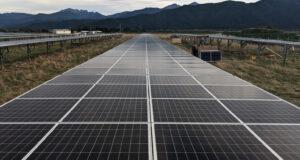
The South African solar photovoltaic (PV) market is increasing exponentially.
Solar Power Market outlook expects the solar market to register a CAGR of over 10 per cent from 2021 – 2026, reaching an installed capacity of more than 3.6 GW by 2026, up from 1.48 GW in 2019.
Solar power production in South Africa comes when the country is aligning to reduce carbon emissions through a transition from coal to other clean energy sources. This step is not an easy fit.
Findings show that increasing costs in every market due to a year of supply disruption did not deter data centre demand in most markets including Nairobi and Johanessburg.
The two African capitals were among 44 other locations that were surveyed.
According to the study, despite the negative impact of the coronavirus pandemic, demand remained relatively steady when compared to other industries owing to governments’ decisions to make working and schooling from home mandatory.
The index signalled a solid decline in operating conditions, albeit one that was slower than those seen in April 2021 and during the second quarter of 2020.
“Economic activity started 2022 on a subdued note as evidenced by the Stanbic PMI reading that fell to the lowest level in nine months. The reading was below 50 which indicated a deterioration in business conditions from December,” Kuria Kamau, Fixed Income and Currency Strategist at Stanbic Bank commented.
While export demand grew marginally, domestic demand fell significantly as client spending was negatively affected by rising inflation and a resurgence in Covid-19 due to the Omicron variant, he noted.

Total students enrolled in the sixteen Regional Flagship TVET Institutes (RFTIs) increased from 6,971 students…
Data by the World Bank Group reveals that Kenya’s electrification rate currently stands at 70…