
Trending
- Nigeria’s oil output soars to heights not seen since 2020. Here’s what’s changing behind the numbers
- Kenya’s construction costs surge at fastest pace in four years as fuel price shock hits
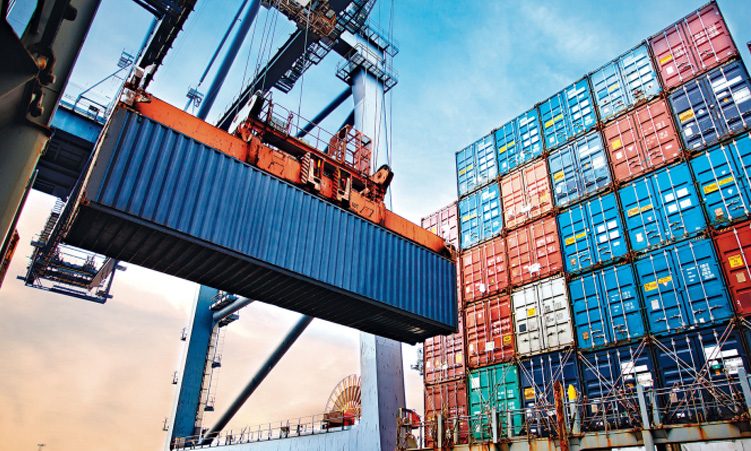
- African trade is growing despite the obstacles
- Why global capital is betting big on Africa’s digital promise
- Kenya posts stronger-than-expected Q1 growth at 5.3% on manufacturing rebound, tourism boom
- China’s new investment rules are about guardrails, not closed doors
- Zanzibar optimistic economic growth will hit 7.5% on tourism boom
- Kenya defies economic shocks to post record $22 billion in tax collections



Zanzibar legislators project 7.5% economic growth. President Mwinyi advocates private sector participation. Zanzibar recent talks with Brazil, US expected to bare fruits. Zanzibar has…
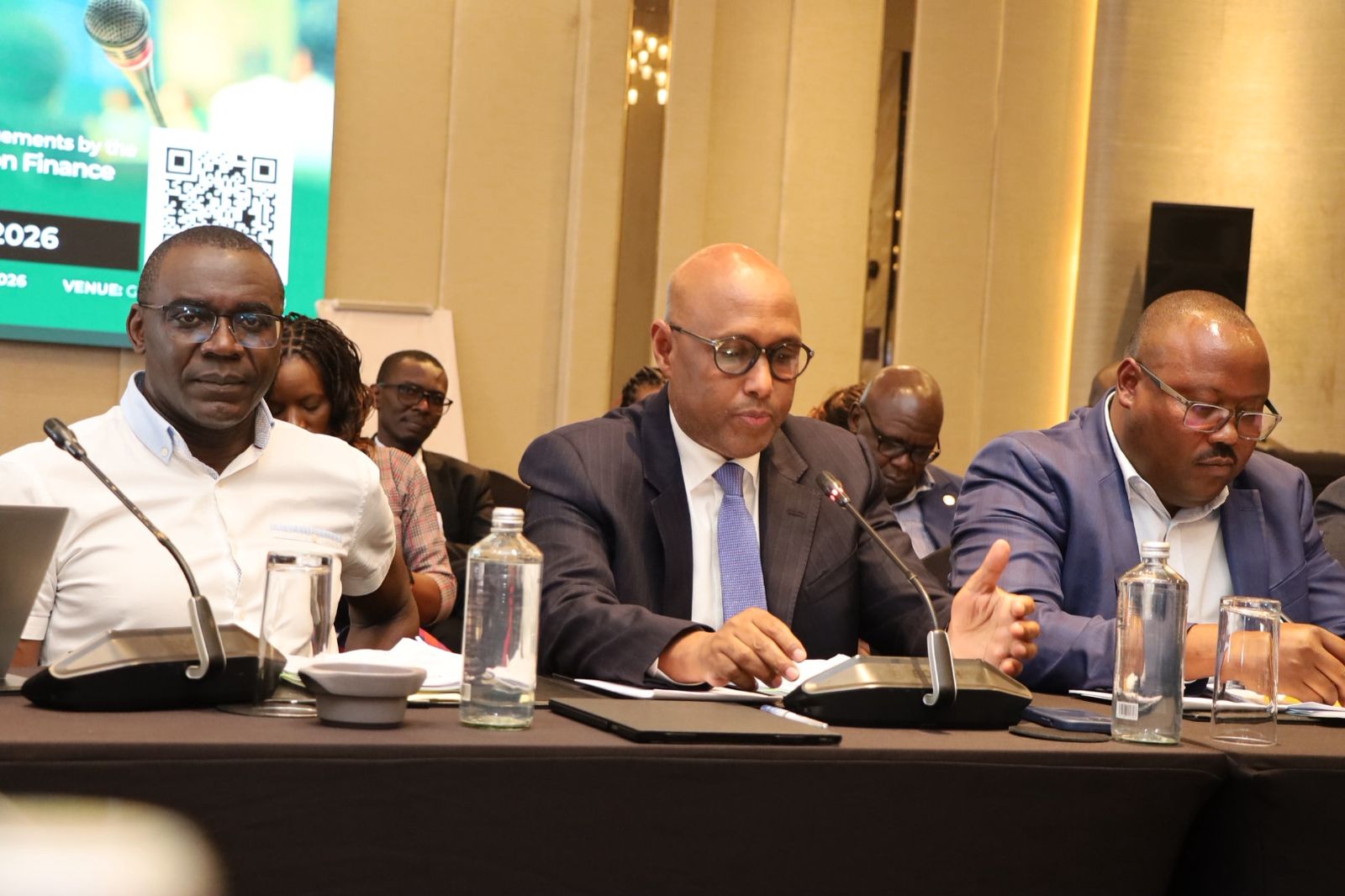
KRA reports record KES2.84 trillion (up 10.6%) in tax collections,…

UAE has cemented its spot as the main refining, and…


The Foundation has announced a commitment of up to $120 million to accelerate access to…
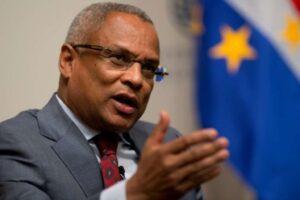
The country is nonetheless instituting economic reforms aimed at empowering the private sector and attracting foreign investment in abid to diversify the economy. Hopefully, this will create new jobs especially for the youth who are currently facing enormous unemployment in the wake of the pandemic due to the country’s reliance on tourism.
Notably, other than tourism, Cape Verde’s economy is very much service-oriented with commerce, transport, and public services accounting for three-fourths of the country’s GDP.
Since the country’s economy is heavily dependent on conditions in the eurozone countries, Cape Verde’s economic recovery is hinged on foreign aid as well as remittances. Currently, One UN is assisting Cape Verde to develop a national trade strategy designed to enhance its productive capacities.
As the world and the East African region continue to recover from different kinds of economic shocks triggered by Covid-19, inflation in Tanzania has also taken different turns. According to the review, in August 2021, twelve-month inflation remained at 3.8 per cent, which is noted to be the same, as the last month.
On the other side of the fence, the review showed that core inflation—of which its index calls of the largest share in consumer price index (CPI), rose to 4.5 per cent in August 2021 from 4.1 per cent in July 2021, this is attributed to the increase in transport costs, “reflecting an upward shift in fuel prices”.
Things seemed to work better in food inflation, whereby annual food inflation—excluding alcoholic beverages, slimmed down to 3.6 per cent from 5.1 per cent, the review argues that this is due to a decrease in prices of maize and maize flour, meat, vegetable and beans.

Kiva will oversee the disbursement of the low-interest loans to help SMEs Last week Google…

The centre was built through a partnership between the locally-owned GE Healthcare’s entity and Kenyatta…

The multi-phase project will provide water to the Gauteng region of South Africa and generate…