
Trending
- 2026 is turning out as a defining year in geopolitics, but for whom?
- Bitcoin Surges 20%: How Crypto Holders Are Exploring Cloud Mining Income in 2026
- Saudi Arabia and Tanzania pledge to deepen bilateral trade ties
- Tanzania rewrites its digital investment playbook
- Ethical sourcing boosting demand for Tanzania organic cotton
- DRC deploys 70,000 Ebola vaccine doses in high-stakes trial against deadly Bundibugyo strain
- Kenya’s private sector optimistic on growth despite inflation and geopolitical risks
- AfDB and Standard Bank ink $332 million social bond deal to fund South African SMEs



Bitcoin is back in the spotlight after one of its strongest rallies of 2026. BTC has climbed roughly 20% this week, briefly moving above…

Latest investment fund pool cover products from Britam Asset Managers Limited…

Family business, which constitutes the backbone of the continent’s enterprise…




Uber is expanding into eight more cities across Kenya, Nigeria and Ghana and raising its…
Kenya’s Purchasing Managers’ Index (PMI) fell below the 50 points mark to 44.2 in August…
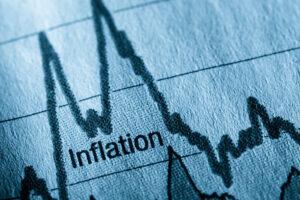
McKinsey’s report notes that the wages of consumers are steadily being eroded. Wages in the largest economies reportedly flatlined; in other words, no significant change in their levels was recorded. Prior to the pandemic, the same wages were said to have increased, giving workers the upper hand in negotiations. The pandemic, however, drastically altered that state of affairs. Wages in developed markets post the pandemic are also related, but the advent of inflation has checked that growth and, in some instances, set the trend backwards.
In the United Kingdom, there have been reports of wages being lower year on year.
The culmination of these factors is that the outlook for global economic growth will be lower this year than last. McKinsey expects central banks to increase interest rates more assertively to deal with inflationary pressure. The risk of recession is becoming more and more prevalent.
If it so happens that the said stimulus package is financed by increasing the money supply. It may have unintended and unpleasant consequences.
Economists have a phrase that means the same as “in a perfect world”. Economists will often say “ceteris paribus”. In a perfect world, government expenditure would have been all that is necessary to fix the lingering economic problems confronting the world post-COVID. However, reality would beg us to consider that government expenditures of money that they did not have to jump-start economies that were in a prolonged period of stasis would invariably lead to inflationary pressures. The United States has been grappling with the problem of inflation throughout 2021.
Its inflation figures are the highest they have been in decades. The fascinating thing about this current brand of inflation is that it is multi-faceted. Granted, it began when governments decided to spend their way out of an economic slump and introduced inflationary pressure on the global economy.

The International Finance Corporation (IFC) says it will extend USD 150.0 million (KSh 18.0 billion)…
A new report by Knight Frank indicates that the ongoing war in Ukraine will affect…