
Trending
- 2026 is turning out as a defining year in geopolitics, but for whom?
- Bitcoin Surges 20%: How Crypto Holders Are Exploring Cloud Mining Income in 2026
- Saudi Arabia and Tanzania pledge to deepen bilateral trade ties
- Tanzania rewrites its digital investment playbook
- Ethical sourcing boosting demand for Tanzania organic cotton
- DRC deploys 70,000 Ebola vaccine doses in high-stakes trial against deadly Bundibugyo strain
- Kenya’s private sector optimistic on growth despite inflation and geopolitical risks
- AfDB and Standard Bank ink $332 million social bond deal to fund South African SMEs



Bitcoin is back in the spotlight after one of its strongest rallies of 2026. BTC has climbed roughly 20% this week, briefly moving above…
Latest investment fund pool cover products from Britam Asset Managers Limited…
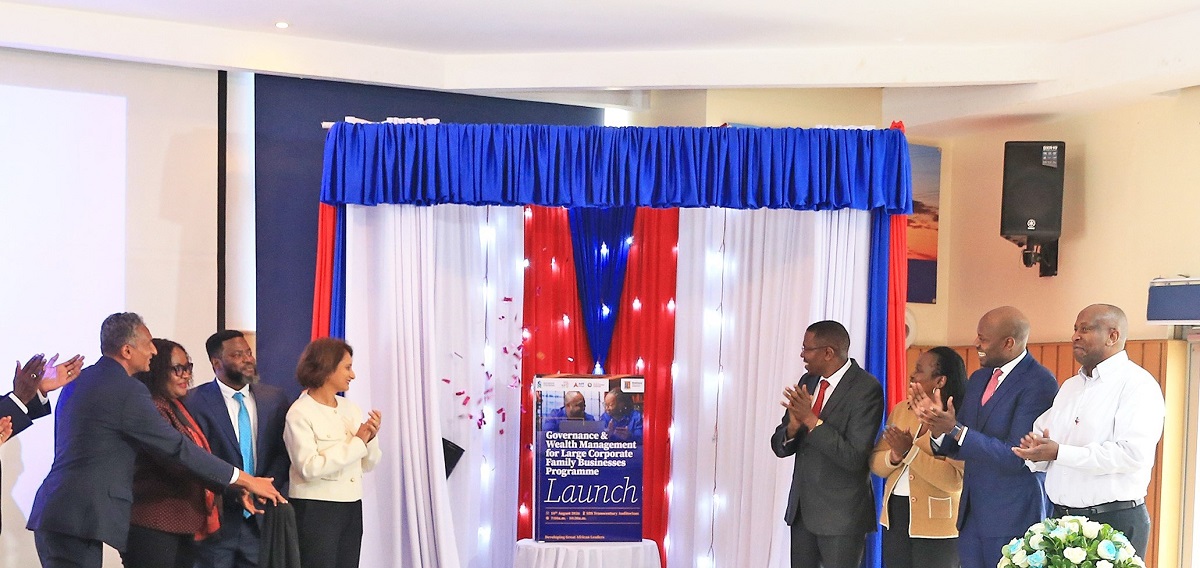
Family business, which constitutes the backbone of the continent’s enterprise…
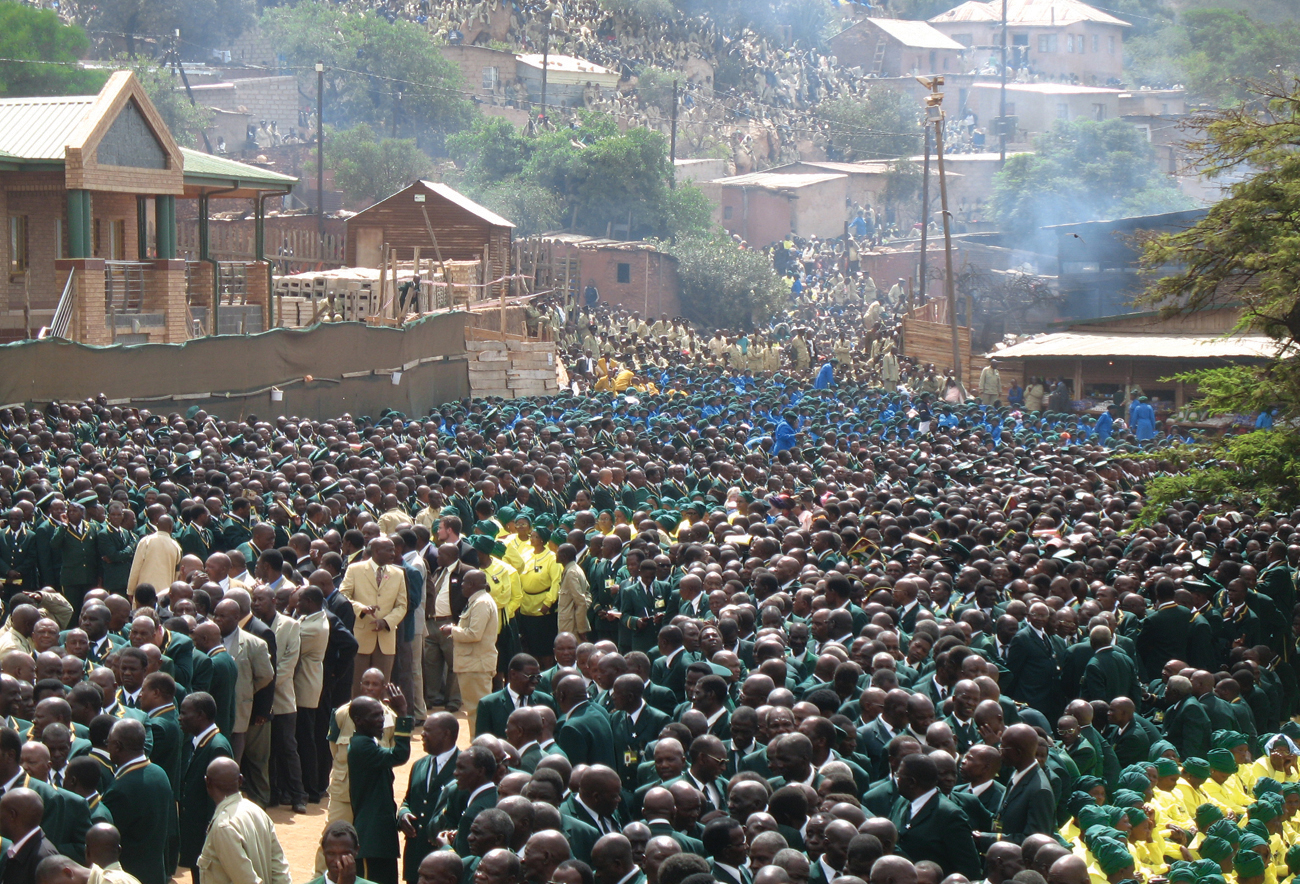

Southern Africa, East and West Africa saw their flows of FDI rise in 2021. It was only in Central and North Africa that flows of foreign direct investment were flat or declined, respectively. Flows to North Africa fell by 5 per cent to $9.3 billion.
Egypt saw its FDI drop by 12% as large investments in exploration and production agreements in extractive industries were not repeated. Despite the decline, Egypt has the second highest flows of FDI in 2021 on the continent.
UNCTAD reports that it expects FDI flows to increase in North Africa owing to pledges of as much as US$ 22 billion to the region from Gulf states. In Egypt, according to the UNCTAD World Investment Report 2022 tripled green field projects of US$ 5.6 billion and real estate projects of US$ 1.5 billion.
In Morocco, FDI flows increased by 52% to US$ 2.2 billion. This was driven by a large international project finance deal announced in that country to finance the construction of a power line.
Since the launch of VFEX in 2020, trading has mainly been dominated by institutional investors, and from the feedback received, retail investors would also like to participate in the VFEX. In the press release, VFEX CEO Justin Bgoni said VFEX Direct was mainly developed with retail investors in mind.
VFEX Direct will be accessible through the web portal and mobile application (Google Play Store and Apple App Store).
Investors wishing to participate through VFEX Direct will be required to hold an FCA (Nostro) account with any Zimbabwean bank.

Technology company Little has announced plans to construct a commercial office building in Lavington, Nairobi,…

Johnson & Johnson and the Ministry of Kenya have signed an MoU to facilitate access…

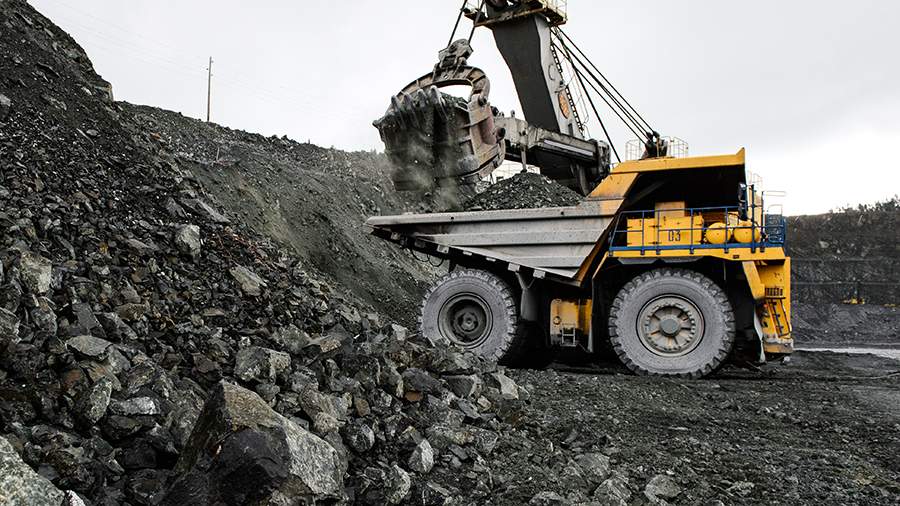
This is specifically in the case of South Africa, which has enjoyed the most benefit from the mining sector in the southern region. This benefit translated into further foreign direct investment flows of more than US$ 40 billion in 2021 alone, up from US$ 3 billion in 2020.
This is in contrast with Zimbabwe, which has been an investment pariah for the last two decades. Zimbabwe has not appropriated as much from its mining sector relative to South Africa, especially when viewed through the foreign direct investment lens. According to its central bank, the country garnered foreign direct investment proceeds of US$ 103 million for the year.
Regardless of the poor showing in FDI terms, the country has recorded a 33% rise in export earnings driven primarily by the mining industry to US$ 5.45 billion. This is to show that the mining sector is central to southern Africa’s economic development.
The World Bank estimated the value added in Gabon’s agriculture, forestry, and fishing sectors to be 6.404 per cent of GDP in 2020, a good sign to invest in Gabon.
Gabon imports the bulk of its cereal requirements through commercial channels, with cereal imports accounting for approximately 90 per cent of the total cereal utilization. Imports of cereals in 2021 were estimated at a slightly below-average level of 171,000 tons, including about 110,000 tons of wheat and 55,000 tons of rice.
Gabon is facing escalating agricultural food prices, especially wheat since the war in Ukraine began in February 2022. To keep domestic wheat prices below 25,000 CFA, the government formally budgeted a subsidy of 4,700 CFA (US$7.55) per 50-kg bag to the country’s wheat importers, led by France’s Société Meunière et Avicole du Gabon company.