

Trending
- African trade is growing despite the obstacles
- Why global capital is betting big on Africa’s digital promise
- Kenya posts stronger-than-expected Q1 growth at 5.3% on manufacturing rebound, tourism boom
- China’s new investment rules are about guardrails, not closed doors
- Zanzibar optimistic economic growth will hit 7.5% on tourism boom
- Kenya defies economic shocks to post record $22 billion in tax collections
- Forget South Africa: East Africa now rules in banking industry returns
- Lamu over Tanga: The commercial calculus that cost Tanzania $20bn refinery



Zanzibar legislators project 7.5% economic growth. President Mwinyi advocates private sector participation. Zanzibar recent talks with Brazil, US expected to bare fruits. Zanzibar has…
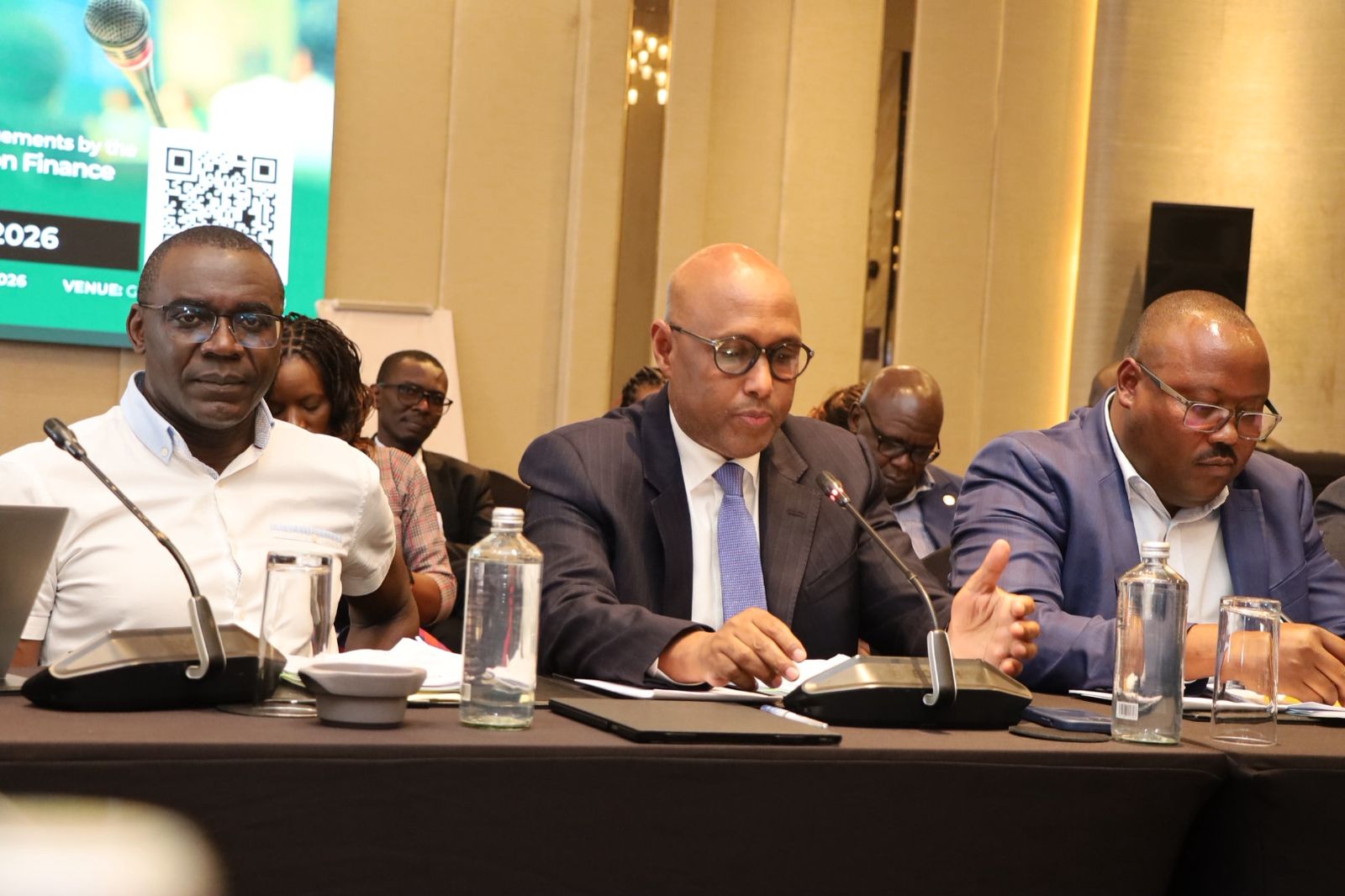
KRA reports record KES2.84 trillion (up 10.6%) in tax collections,…

UAE has cemented its spot as the main refining, and…



The confirmation of William Ruto as president indicates that Kenya will remain on track with its IMF program and plans to strengthen medium-term public finances, but a sovereign credit 2022 ratings downgrade remains inevitable in the subsequent months.
The opposition was excluded, the army shot protesters in the post-electoral uprise, and according to Amnesty, at least 5 people were killed during the last election, and several hundred were arrested or exiled. Since then, nothing has changed. Repressive laws and regulations that excluded opposition from the past elections are still in place, and opposition leaders are still in prison; a crackdown on dissenting voices is still occurring, except now Talon has blackmailed, corrupted and coerced local politicians into participating in the 2023 election to legitimize his electoral holdup.
Therefore, his August 30th declaration before the Business community in France in the presence of French President Emmanuel Macron, is not an accident but by design and should be taken seriously because back home, Talon had already started the process of changing the country’s constitution after January 2023.
The January 2023 legislative elections represent another major challenge for the country but an opportunity for Patrice Talon and if he gets his way, 2023 will toll the bell on Benin’s democratic adventure forever. Patrice Talon is now manoeuvring to secure a third term in office and will leverage the upcoming legislative electoral process to do it. And the tell-tale signs are here.

The shrinking economy and resulting unemployment have given birth to an informal economy that has spiralled out of control. Treasury and monetary authorities have been at pains to find ways they can tax the informal sector. The informal economy is difficult, if not impossible, to absorb into the formal economy or to include in the tax pool from which the government can draw revenue.
As the formal economy shrinks, so has Zimbabwe’s effective tax revenue stream, and this problem can only be arrested and mitigated by a growing economy.
An economy characterized by slow or negative growth makes it more difficult for the government to repair its finances. This is because there is a positive relationship between a country’s tax pool and the growth of the economy. A shrinking economy brings with it the added cost of having to provide social safety nets for the vulnerable members of its society.
If the government does not cater to these members of society during times when the economy shrinks, it will invariably experience heightened levels of poverty.

On Tuesday, August 9, 2022, Kenyans went into the polls to elect their leaders in…
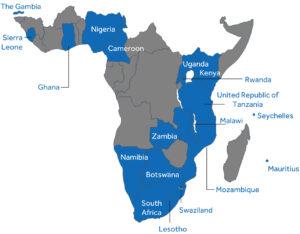
Africa is considered largely the main source of natural resources needed to support and sustain the economic growth of developed and emerging developing countries, and, as noted above, the engagement is often concentrated in a few countries, particularly where they have strategic interests.
African countries do not have adequate capacity to engage emerging developing economies individually.
According to Aileen Kwa, Coordinator, Trade for Development Programme, South Centre, one of the Commonwealth’s mission is to reduce poverty in its member countries, especially the developing ones.
But looking at the poverty levels in Africa, they have been high over the last 30 years, at 74 per cent and 73 per cent in 1981 and 2005, respectively, despite policy reforms undertaken over that period. When translated into absolute numbers, the number of people living on less than US$ 2 per day increased from 295 million in 1981 to about 556 million in 2005.
The Treasury has directed Cabinet Secretaries and CEOs of parastatals to draft the 2023 budget for the fiscal year beginning July 2023 based on policies implemented by President Uhuru Kenyatta’s government, despite uncertainty about when the next Head of State would take office after Raila Odinga filed a petition at the supreme court.