


Trending
- Ethiopian Airlines bets big on Boeing freighters in $5 billion cargo fleet expansion
- Silicon Valley’s Tim Draper backs Nairobi blockchain festival, sees Africa as next digital frontier
- Dangote breaks ground on $16bn Lamu refinery as East Africa seeks fuel independence
- Gulf and African states meet in Dar to rewrite rules of labour migration
- African governments drive new forest finance progress as global report warns funding globally must scale faster
- Fine Spinners eyes Kenya’s Agoa-backed apparel supply chain with $5m plant
- Why young Kenyan investors need to stop treating the stock market like a betting slip
- Tanzania tax reforms mandate VAT refunds to under 30 days


Browsing: Africa

The value of the AI construction market was estimated to be USD 466.9 million in 2019. Projections estimate that by 2025, the market value will skyrocket to US$2312.8 million with a compound annual growth rate (CAGR) of 33.87 per cent between 2020 to 2025.
Despite not gaining early adoption within the construction sector as in other areas, AI is now ideally positioned to lead transformative reforms within the sector.
According to an article by majesteye.com dated February 16, 2022, several studies and reports have shown that the adoption of AI applications within the infrastructure sector is growing at a rapid pace. Some of the major drivers of this growth include the following:

Interestingly, of the US$1.5 trillion in foreign direct investment recorded in 2021, 53% of that money was channelled towards developing economies. Africa made a very strong showing in terms of foreign direct investment in 2021.
According to the report, Africa attracted US$ 83 billion in foreign direct investment compared to the US$ 39 billion it achieved in 2020. Of the global investment flows that landed on African shores in 2021 US$ 41 billion went directly to South Africa.
Despite the positive developments that occurred in 2021 in foreign direct investment, the UNCTAD report concludes by stating that the growth and momentum in FDI flows in 2021 will not be sustainable given the adverse economic developments that have occurred in 2022.
UNCTAD expects these developments will either put downward pressure on the flow of FDI or flatten the curve.

It remains uncertain how long this economic downturn lasts or which businesses and investors will remain standing when it ends. Nevertheless, many tech startup players believe that the African digital ecosystem will remain relatively unscathed.
This moment provides a chance for Africa-focused funds to flourish. The African tech startup industry offers the funds tremendous possibilities to invest at a low cost. The best businesses find footing at times like these.
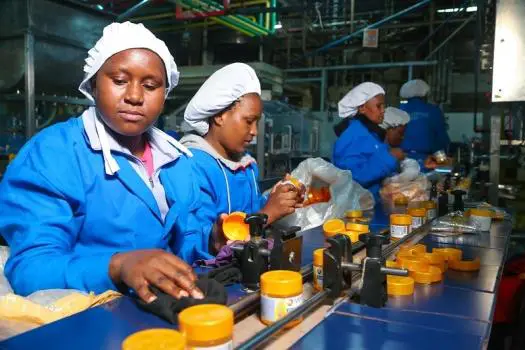
The AfCFTA Agreement has been signed by 54 African nations thus far. Among them, 46 tariff proposals have been filed, including one by the Customs Union. Furthermore, 29 tariff proposals are technically validated for trade.
Under the Rules of Origin discussions, 87.7% of import tariffs have been settled, while phase two consultations on Investment, Intellectual Property Rights, Competition Policy, Women and Youth in Trade, and Digital Trade are underway.

Bolt Food has also created a feature that enables customers to use promo codes and coupons to pay for orders made on the app. As restaurants on the platform offer promotional items and campaigns, all active promotions will always be displayed in the Bolt Food app.
These initiatives are meant to create a flexible and convenient environment for customers as they enjoy excellent service on the Bolt Food app.
“Customer Experience on our platform remains a key priority in our operations. Our focus is to continue growing our brand and serving our customers in the best way possible through quality services tailored towards their needs”, said Edgar.
Bolt Food continues to scale up its operations and invest more into initiatives geared towards enhancing customer experience and offering quality services as it grows its courier earnings.

There are increasingly more and more ‘outbreaks’ of non-communicable diseases in Africa and more so in sub-Saharan Africa. These lifestyle…
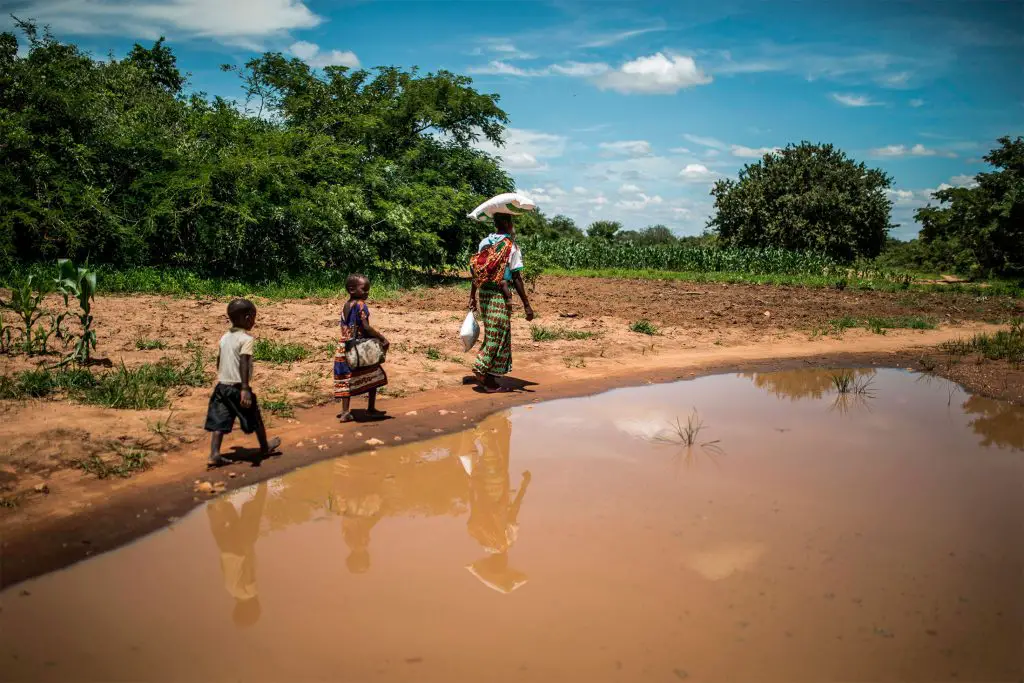
Africa’s fast population growth exacerbates the issue. According to most estimates, Africa’s population will double by 2050 and then double again by 2100, finally reaching over 4 billion by the end of the century. Feeding Africa’s rising population will need considerable breakthroughs in the continent’s food systems.
However, agricultural progress may be difficult if African farmers are subjected to more severe climatic effects. To prepare for these future difficulties, one must understand how climate change will materialize in Africa and its impact on the continent’s agricultural systems.

On the backdrop of increasing global demand for cashew nuts, the government of Tanzania is now subsidizing agro-inputs for farmers…

The African Continental Free Trade Area (AfCFTA) Secretariat has launched an online hub to ease trade on the African continent…

Fuel price rise across EAC National Assembly hears public outcry on the rising cost of living Governments working on solutions…