



- The African Commission on Human and Peoples’ Rights expresses “grave concern” over attacks on nationals of other African countries in recent weeks.
- South Africa hosts about 2.4 million migrants, representing roughly 4 per cent of the country’s. A percentage of these migrants, remain undocumented.
- Other xenophobic killings in South Africa have been recorded in Cape Town in 2010 with the May 2008 nationwide attacks resulting in over 60 deaths, 1,700 injuries and 100000 displacements.
The African Commission on Human and Peoples’ Rights has called out the ongoing the xenophobic attacks meted on individuals from of other African countries in South Africa.
In a statement dated Monday, 27 April 2026, the continental body expressed “grave concern” over increasing number of cases where nationals of other African countries have borne the brunt of vigilantes in the continent’s most advanced economy in recent weeks.
Through the Country Rapporteur on Human Rights in the Republic of South Africa, Honourable Commissioner Solomon Ayele Dersso, said reports show nationals of other countries owing to their legal status.
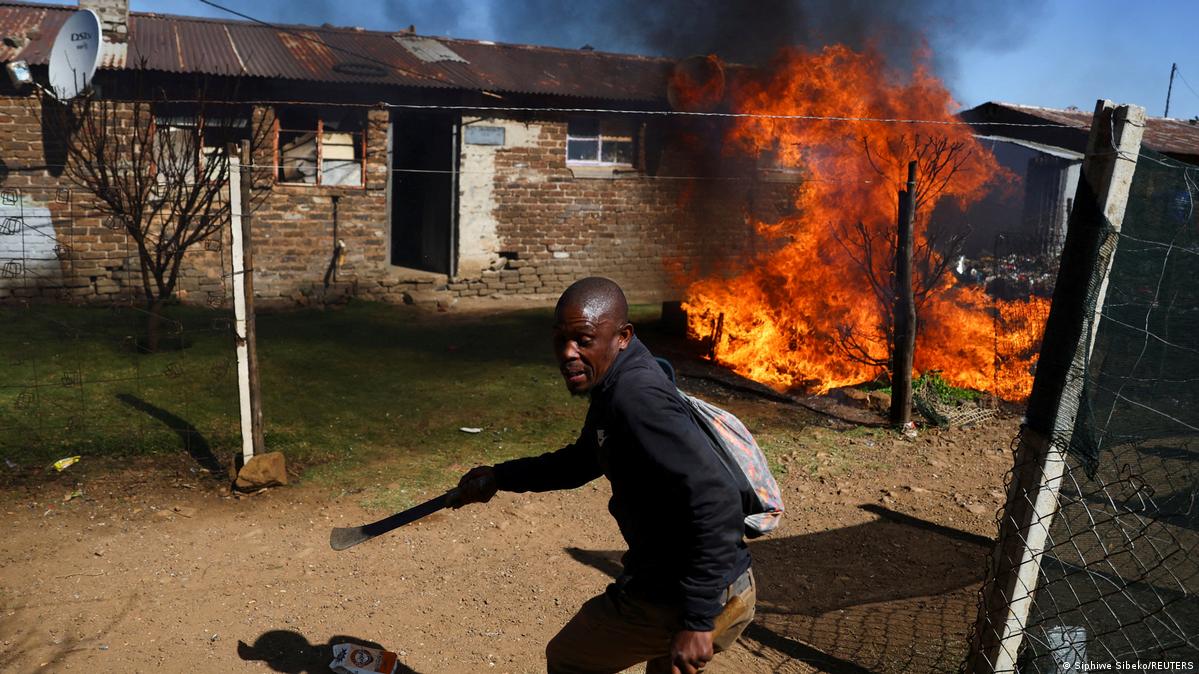
In recent weeks, online platforms have been awash with video clips of vigilante groups attacking people who are believed to be non-South Africans. These attacks have seen South African ambassadors across other capitals in the continent including Ghana summoned for security briefings.
Xenophobic attacks in South Africa
Statistics show that South Africa hosts about 2.4 million migrants, representing roughly 4 per cent of the country’s. A percentage of these migrants, remain undocumented.
According to the continental rights body, the latest flare-ups in South Africa are part of a long-running trend of attacks that non-South Africans have faced in decades. In 1998, the rainbow country descended into xenophobic violence leaving three foreign nationals dead in the city of Johannesburg.
Other xenophobic killings in South Africa have been recorded in Cape Town in 2010 with the May 2008 nationwide attacks resulting in over 60 deaths, 1,700 injuries and 100,000 displacements.
In 2009, the country experienced displacement of Zimbabweans in De Doorns, while in 2015 there were nationwide xenophobic violence requiring military intervention in South Africa.
Since 2020, there have been cases of xenophobic attacks linked to groups such as Operation Dudula, including the disruption of a church service held by the Mapostori group in Limpopo Province, where its members systematically blocked entrances to public health facilities in Gauteng and KwaZulu-Natal, demanding that individuals show proof of citizenship before receiving care. All these attacks constitute a grave violation of the fundamental rights enshrined in the African Charter on Human and Peoples’ Rights (African Charter), the rights body observed.
Enforcement of migration laws
“The xenophobic attacks not only constitute possible violations or abuse of Articles 3, 4, 5, 12, 14 and 28 of the African Charter but also are contrary to the principle of African solidarity, which underpins the African Charter,” the Commission explained.
Furthermore, the Commission urged responsibility in the enforcement of immigration laws, noting that this duty rests solely with duly authorised State institutions, and that any form of vigilante justice or mob action constitutes a violation of the rule of law and undermines the State’s human rights obligations.
While noting public statements by South African authorities condemning unlawful conduct, the Commission emphasises that such expressions must be accompanied by prompt, concrete, and sustained measures to prevent recurrence and ensure accountability.
Recommendations for South Africa to tame xenophobia
To help steer the country out of the roiling crisis, the AU body has put forward a number of suggestions for policymakers in South Africa to consider: –
- Conduct Prompt, Thorough and Impartial Investigations into all reported incidents of violence and intimidation against foreign nationals, in accordance with international human rights standards.
- Ensure Accountability and Access to Justice by identifying, prosecuting, and sanctioning all perpetrators, including those involved in organising or inciting such acts, and ensure that victims have access to effective remedies and reparations.
- Take decisive measures to dismantle and prevent the operation of vigilante groups engaging in unlawful enforcement activities, including through clear public directives and strengthened law enforcement responses.
- Enhance protection measures for migrants and other non-nationals, particularly in areas identified as high-risk, including through increased security presence and accessible reporting mechanisms.
- Develop and implement comprehensive strategies, including public awareness campaigns and community engagement initiatives, to address the root causes of xenophobia and counter misinformation.
- Strengthen oversight mechanisms to ensure that law enforcement agencies act in compliance with human rights standards and that the rule of law is upheld at all times.
South Africa, which is the continent’s most advanced economy, has a rich history of being a preferred destination for individuals seeking job opportunities. The country draws migrant workers from neighbouring Lesotho, Zimbabwe and Mozambique. Other countries that have sizeable population in the country are Nigeria, Ghana, and Kenya.
While no Kenyans have been impacted so far, the country’s Diaspora Affairs Principal Secretary, Roselyn Njogu, said on Monday that Nairobi is closely monitoring the events in South Africa closely.
Read also: The Impact of U.S.-Israel War on Iran on Peace and Security in Africa